Tenerife. Mention it and people think of hotel buffets, beach umbrellas and all-inclusive resorts in the south. We get it. But there's another island beneath that one, and that's the one we went looking for.
Six days in September. Rental car. No fixed plan beyond the itinerary. And an island that, without warning, keeps putting landscapes in front of you that don't match what you had in your head.
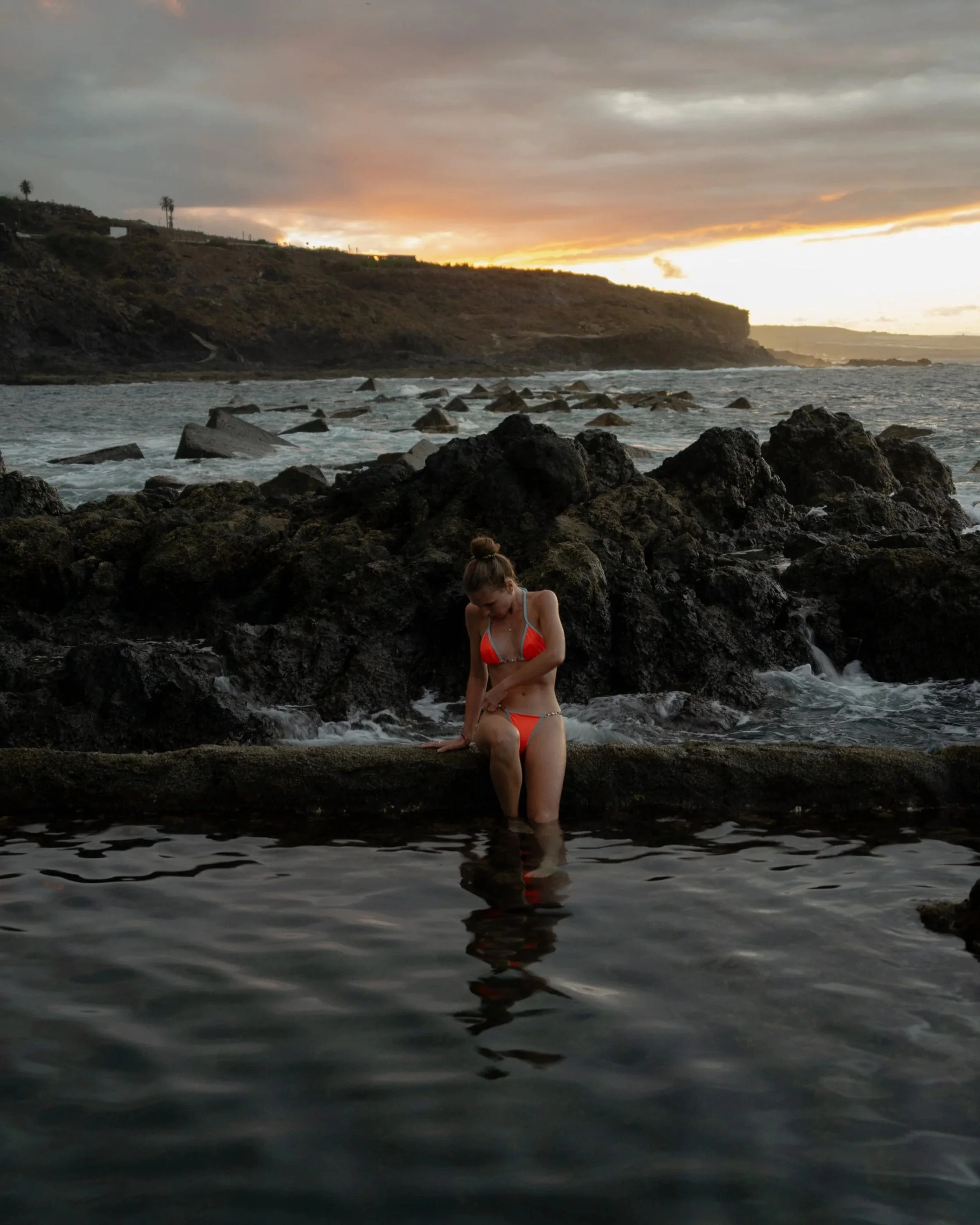
Natural pool in Garachico
Day one and the forest that almost disappears
We landed at North Airport at 9 in the morning, picked up the car and the first thing we did was stop for breakfast in San Cristóbal de La Laguna. A UNESCO World Heritage City, colorful streets, cafés with character. A place we could have stayed for hours, but the Anaga Rural Park was waiting for us.
Anaga Park is the green lung of northern Tenerife and also one of its best-kept secrets. A laurel forest that has been here long before humans came along and complicated everything. In fact, before the Spanish colonization, this forest covered much more of the island. The story of the Guanches, Tenerife's original inhabitants, and of how deforestation wiped out much of this ecosystem, gives this place a weight you can feel as you walk among the trees.
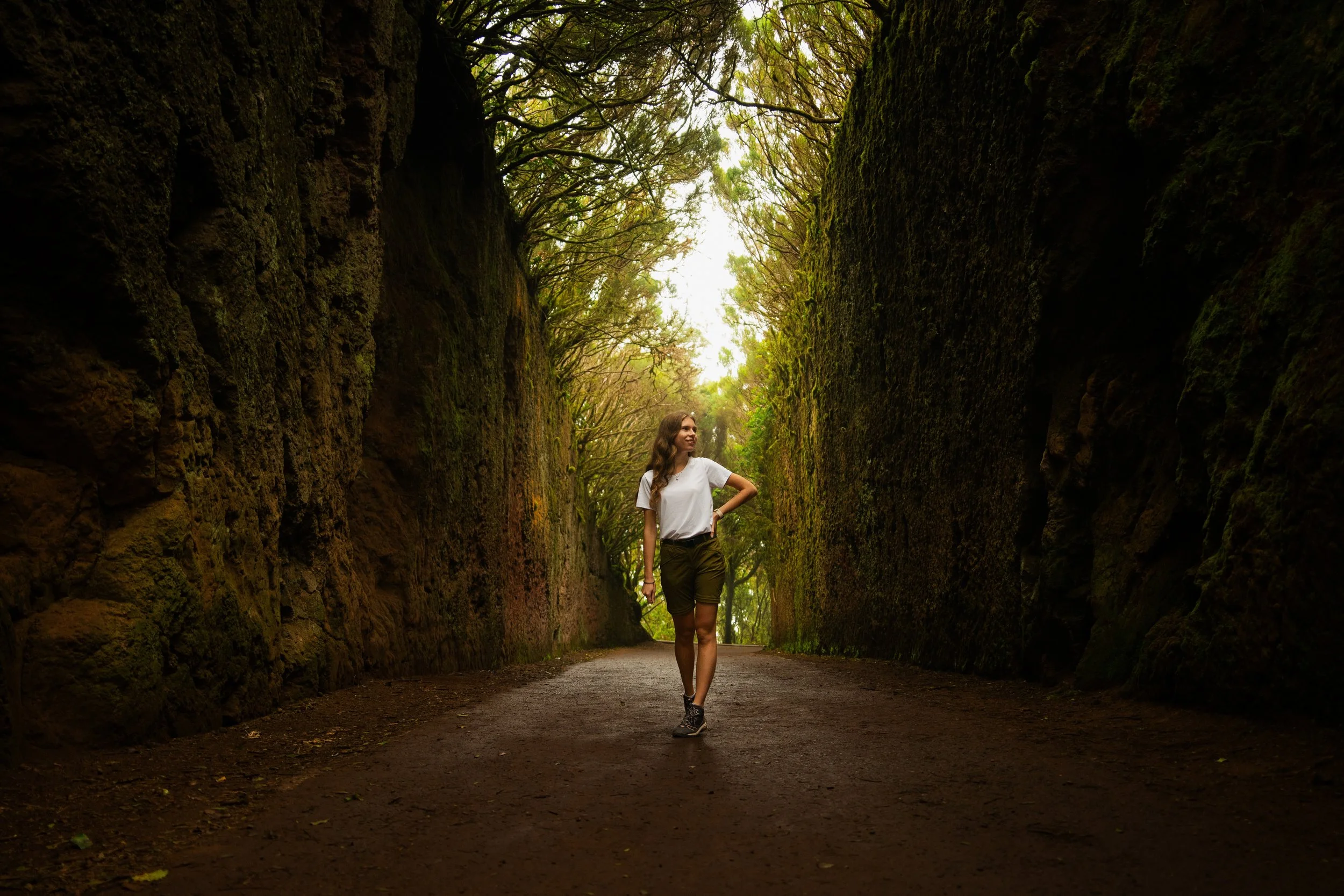
Anaga National Park, Tenerife
We hiked from Benijo Beach black volcanic sand, big waves, the kind of beach that makes you want to stare rather than lie down. From there we climbed toward El Draguillo, with the forest closing in over the trail and the views suddenly opening up to the sea. Those contrasts are what make Anaga so special.
In the evening we had dinner in Tejina, a quiet village in the north. Nothing extraordinary, but exactly what we needed after such a long day.
Our accommodation for these first two nights in the north of the island was at the Boutique Eco Hotel Costa Mágica which was without a doubt one of the best decisions we made, with incredible views, beautiful sunsets and a good rest to recharge our batteries.
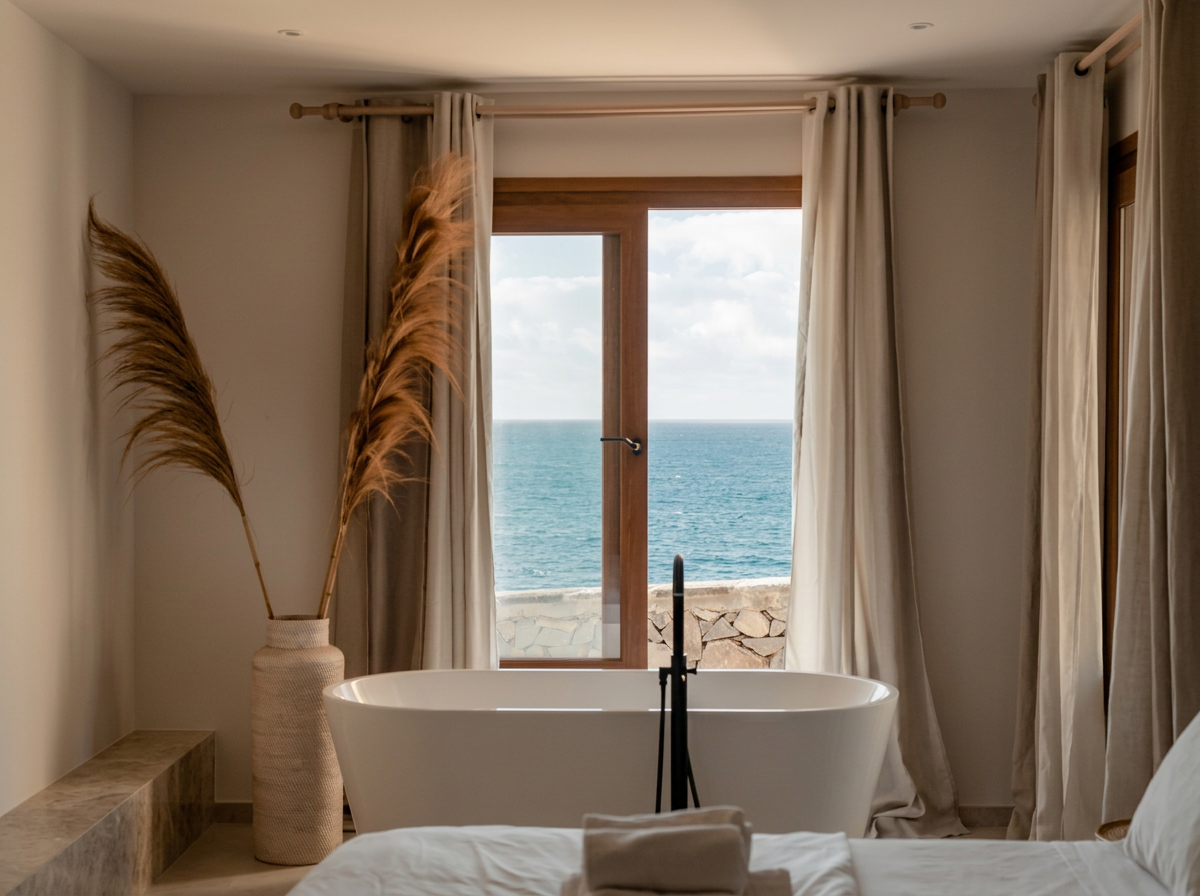
Hotel Costa Mágica, Tenerife
Black sand, ancient wine and a thousand-year-old tree
The second day started at Bollullo Beach. Black sand surrounded by cliffs, no beach bars or noise, with the water changing color as the light shifted. The kind of beach where, once you arrive, you understand why someone discovered it and decided not to tell anyone.
After the beach we drove up to La Orotava, one of those northern towns that remind you Tenerife has real history. The Casa de los Balcones, the Victoria Gardens, cobblestone streets that go up and down without warning. We had a coffee on a downtown terrace and carried on.
We spent the afternoon in Icod de los Vinos, and it was one of the best decisions of the trip. At 5:00 pm we went into the Malvasía Museum for a wine tasting. We weren't really wine tasting people until that day. Malvasía wine from Tenerife has centuries of history, Shakespeare mentioned it, sailors used it as currency at sea, and tasting it there, with local cheeses and someone explaining where each bottle comes from, makes it something completely different from simply drinking wine.
Afterward, the Drago Milenario was waiting for us right next door. A tree more than a thousand years old, with a trunk that branches upward as if it were several trees in one. One of those places where you fall silent without quite knowing why.
We also recommend stopping by the Banana Museum, full of history and curiosities. If you want to know why the Canary banana is so famous here, you'll find the answer there.
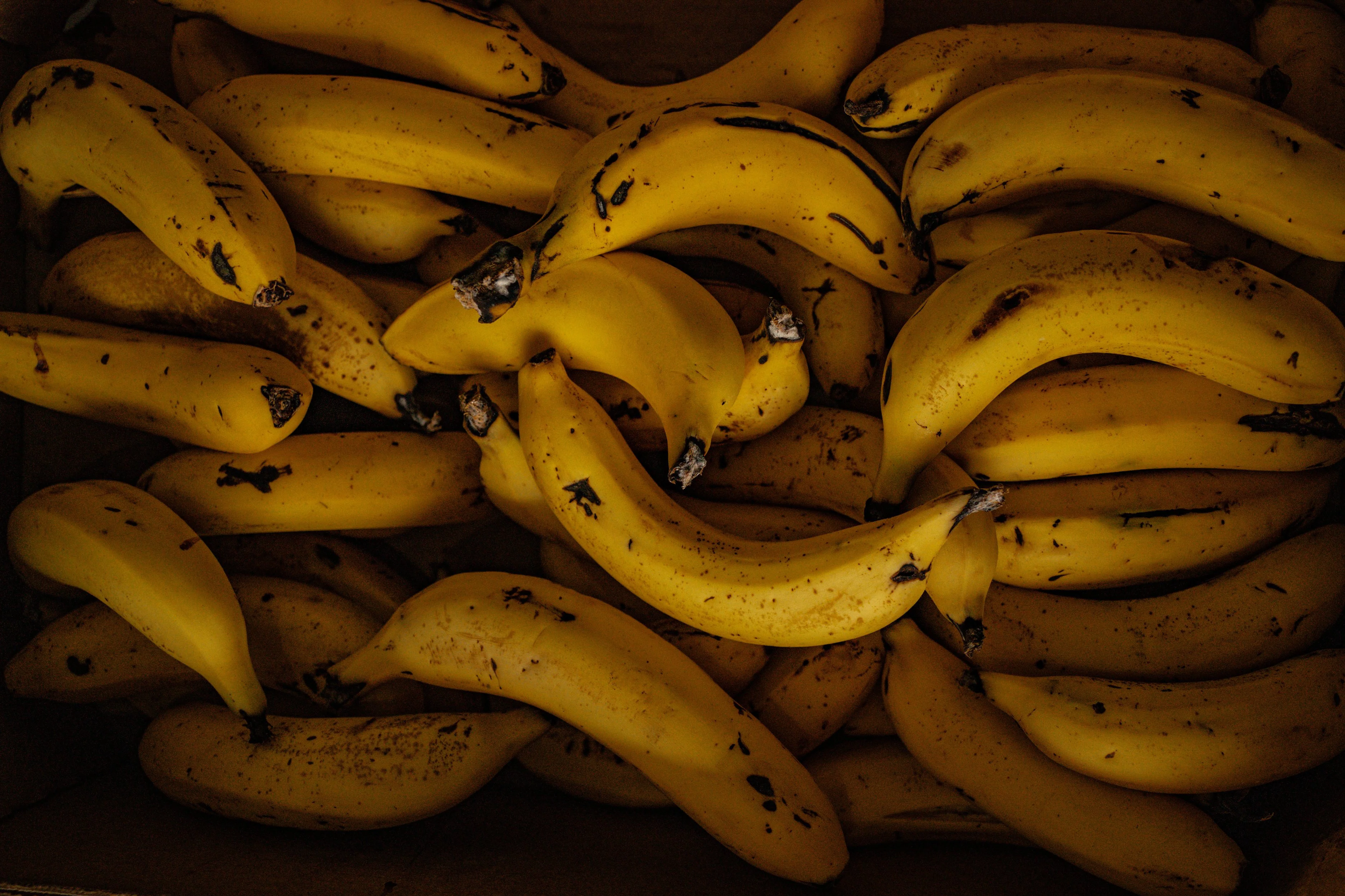
Bananas on display at the Banana Museum in Tenerife
Teide: Bigger Than You Remember
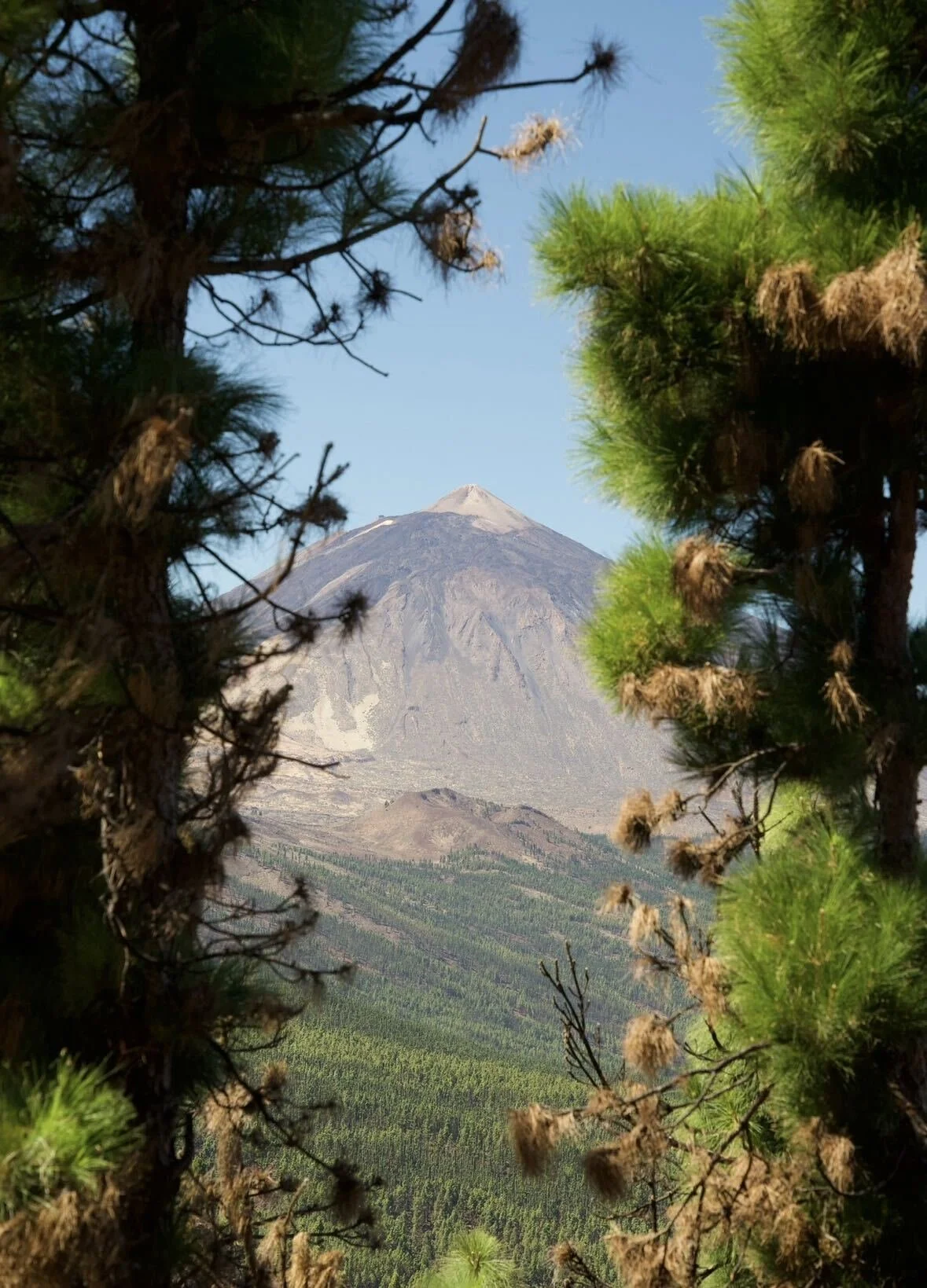
There are things you think you know because you've seen them in photos. Teide is one of them. And yet, when you have that 3,715-meter giant right in front of you, rising out of a landscape from another planet, you realize photos don't capture even half of it.
We drove all morning along the TF-21, stopping at every viewpoint we passed. The road itself is a spectacle: the volcanic formations change color depending on the time of day, the peaks appear and disappear among the clouds, and there are moments when it feels like you're driving on Mars.
In the national park we hiked the Roques de García trail, those rock formations rising from the ground like fingers pointing at the sky, and we wandered through the park's viewpoints. No rush. Food we had bought before heading up, sitting with Teide in the background. A day like that doesn't need restaurant reservations.
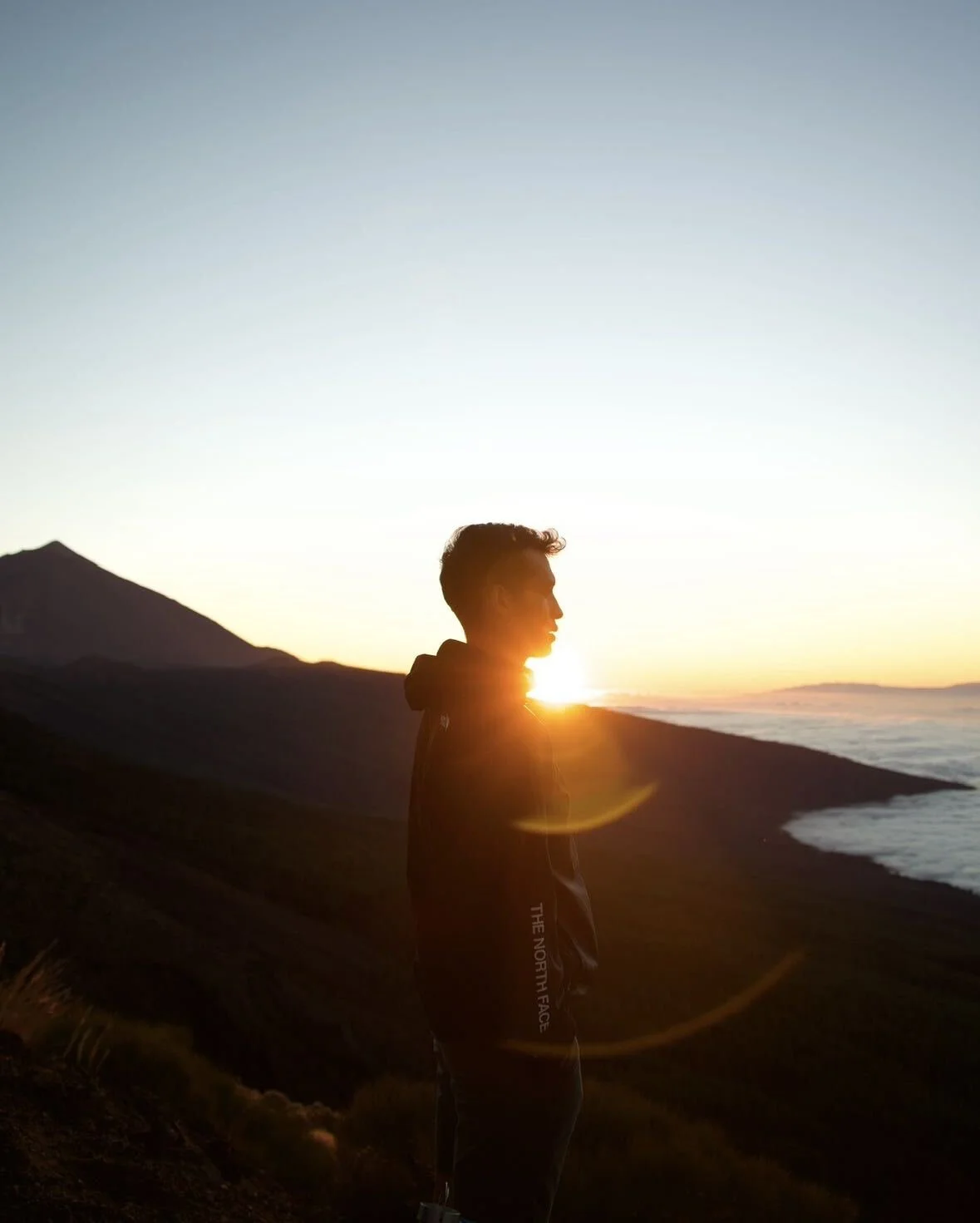
At sunset we stopped at the La Tarta Viewpoint and the Chipeque Viewpoint. The sun sinking over the sea of clouds below us, the volcano behind, the sky changing color. That evening we ended up in Garachico, where we had our hotel for the following days. A small, quiet town with natural volcanic pools right in the sea. The kind of place you're glad you found instead of staying at a resort in the south.
Masca, Los Gigantes and whale and dolphin watching.
Day four was the busiest, and also one of the most beautiful.
We started at the Masca Viewpoint. The village itself is almost inaccessible, a road of endless curves between ravines, but from above you understand everything: that cluster of houses hanging between mountains, surrounded by greenery with the sea in the background, is one of those views that doesn't need filters.
We stopped at Casa Riquelme Restaurant on the way, had something to eat and kept heading toward Los Gigantes. Before going down to the harbor, the Archipenque Viewpoint gives you the right perspective: the cliffs dropping vertically into the sea, 600 meters of black rock ending abruptly. From the water they must look like something else. And we checked.
At 3:30 pm we had the boat tour from Los Cristianos Port. Two hours on the water, looking for dolphins. They showed up. Several groups, swimming close to the boat, without anyone calling them. There's something about seeing an animal like that in its own habitat, without fences or glass in the way, that gently shifts your perspective.
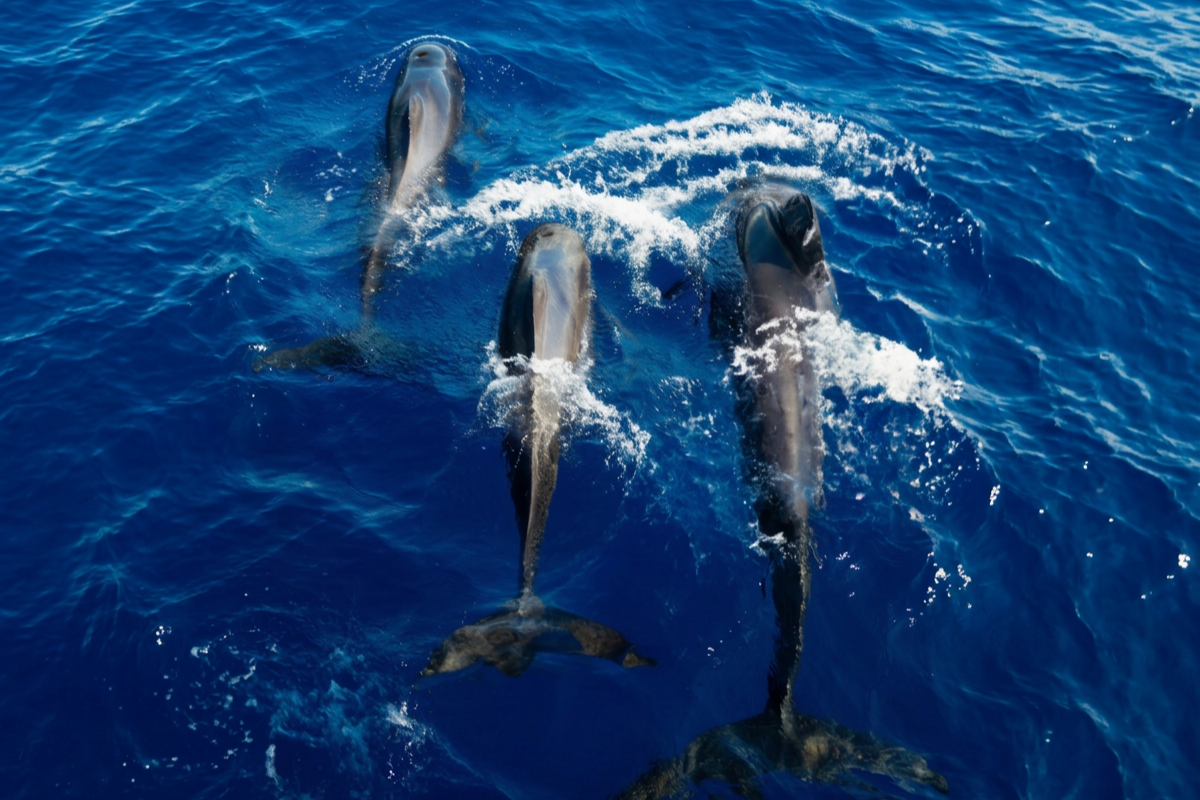
Dolphin watching in Tenerife
On the way back, we swam in the Natural Pool of Los Gigantes, sea water, volcanic rock, and the sunset beginning. We ended the day in Garachico, having dinner at a leisurely pace.
The Hidden Beach and the Last Day on the Island
Day five was the quietest, and we needed it.
Castro Beach is a black sand beach reached by a somewhat steep path. It's not a place you stumble upon by chance or that shows up on the first search results. Vegetation all around, waterfalls nearby, few people. Exactly the kind of place we look for when we travel.
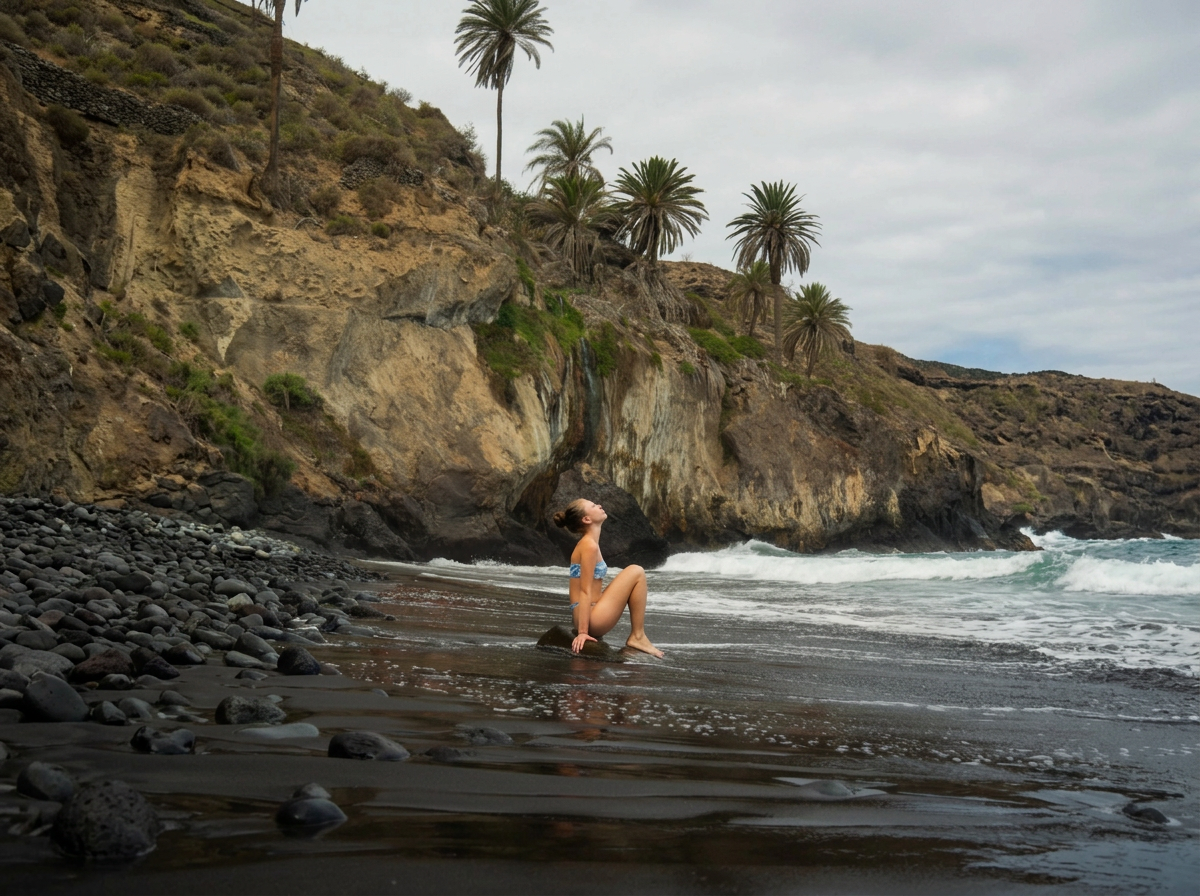
Black sand beach in Tenerife
In the afternoon, hotel pool and no agenda. Those moments that feel like you're "wasting time" at the time, but that you later remember as some of the best of the trip.
Day six was the day of our return. But before returning the car we stopped at the Tajao Arch, a natural volcanic formation that emerges from the sea as if someone had carved it, and in Bocacangrejo, a small, peaceful coastal village, perfect for the last photos and the last coffee before the airport.
💡 Tips
🚗 A car is essential Tenerife without a rental car is a different island. Public transport doesn't reach Anaga, Teide, Masca, or most of the places worth seeing. Book ahead, as there's quite a lot of demand in September.
✈️ North vs South Airport There are two airports. If you're going to the north of the island (Anaga, Garachico, La Laguna), the North Airport saves you time. If you're heading to the touristy south, the South Airport. We flew into the North and it was perfect for our route.
🏨 Accommodation We stayed in Valle de Guerra for the first few days and in Garachico for the last ones. We especially recommend Garachico: a charming, quiet town with natural pools right by the street, and a much better base than any resort in the south if you want to really explore the island.
🌊 The Dolphin Tour Leave from Los Cristianos. It's one of the best dolphin watching areas on the island. There are several operators, so look for small tours on boats with few passengers. Approximate duration: 2 hours. Some include a stop for swimming.
🌋 Teide Going up to the crater requires a free permit that you must request in advance on the National Park website. We didn't go all the way to the summit, but the park's trails and viewpoints are already worth a full day. Bring food and water, as there aren't many options inside the park and what's there is expensive.
📅 When to Go September is perfect: heat without the summer hassle, fewer people than in August, and prices drop a little. The north of the island is always a bit cloudier than the south, so keep that in mind when planning activities.
Tenerife has a reputation as a mass tourism island. And yes, that side exists. But the island we experienced — the Anaga forest, Teide at dawn, the Los Gigantes cliffs from the water, the black sand beach with no one on it, is a completely different island.
You just have to know where to look. And now you know where to look.
Have you been to Tenerife? Do you know any corners we missed? Any questions or recommendations, don't hesitate to write to us :)
-
Pedro and
Karyna
- Nov 10, 2026 Buñol Water Route: Turche Cave, Charco Mañán and Palomas Cave
- Nov 9, 2026 Cuina Oberta Valencia 2026: We Tried It at Amancaes and Here's What We Actually Paid
- Nov 3, 2026 Asturias Rural Tourism Voucher: How We Saved on 4 Nights of Accommodation (Pay Half the Price)
- Oct 31, 2026 Bioparc Valencia in an Afternoon: Gorillas, Lemurs and a Giraffe That Never Showed Its Face
- Oct 30, 2026 Cudillero and Cabo Vidio: What to See in Asturias' Most Beautiful Village (and the Coast Around It)
- Oct 29, 2026 Lagos de Covadonga: How to Get There, the Loop Hike and Everything We Wish We'd Known Beforehand
- Oct 28, 2026 Asturias by Car in 6 Days: Our Route Along the Coast and the Picos de Europa (with Bulnes as a Bonus)
- Oct 12, 2026 Galápagos in 4 Days: Our Itinerary Around Santa Cruz (and What It Really Cost Us)
- Oct 9, 2026 Quito in a Weekend: What to See in 2 Days (and What You Can't Miss)
- Sep 22, 2026 8 Things to Do in Cuenca, Ecuador (According to a Cuencano)
- Sep 10, 2026 Cuenca, the Amazon and Quilotoa in 10 Days, Ecuador Road Trip
- Sep 5, 2026 Pasta Class in Rome: Make and Eat Your Own Pasta, Is It Worth It?
- Sep 4, 2026 Getaway to Pisa and Rome with a Unique Sunset in Cinque Terre
- Sep 1, 2026 How Much We Spent Traveling to Sri Lanka and India: Real Budget for 19 Days
- Aug 29, 2026 What to Visit in the City of Arts and Sciences in Valencia (and How Many Days You Need)
- Aug 26, 2026 Cala Granadella, What You Need to Know Before Visiting
- Aug 25, 2026 India in 7 Days: How to Make the Most of and Save on Your Golden Triangle Visit
- Aug 23, 2026 Where to Stay in Sri Lanka
- Aug 22, 2026 Copenhagen in 5 Days: Design, Bikes and a Half Marathon in the Middle
- Aug 18, 2026 Museums You Must Visit in Valencia
- Aug 10, 2026 Coves near Valencia: The Ones Worth Waking Up Early For
- Aug 2, 2026 5 Hiking Trails near Valencia: Our Favorite Weekend Plans
- Jul 17, 2026 5 Ways to Survive (and Enjoy) Summer in Valencia, City and Surroundings
- Jul 4, 2026 Summer in Amsterdam, 5-Day Trip: What to See, Tours to Book, Recommendations.
- Jul 2, 2026 BAD Bunny Concert, I Should Have Taken More Photos in Arnhem🐰
- Jun 17, 2026 The Pyrenees in a Weekend: Aínsa, Lakes of Néouvielle and Alquézar
- May 19, 2026 Costa Brava in 3 Days: From Blanes to Cadaqués Through Movie-Set Corners.
- May 1, 2026 Sri Lanka in 11 Days: What Nobody Tells You (and What's Really Worth It)
- Apr 30, 2026 The Dolomites in 5 Days: What We Visited and Learned Traveling by Campervan Through Northern Italy
- Apr 30, 2026 Tenerife in 6 Days: The Island You Don't Expect
