There are landscapes you see in photos and think, "someday." The Dolomites had been on our list for a long time. When we finally started up the camper in Venice with the weekly groceries done and the GPS set north, we realized that "someday" had finally arrived.
Five days later, we understood why this place is so iconic. Still, it's worth it from day one.
We're also leaving you our guide with details to make the most of your trip.
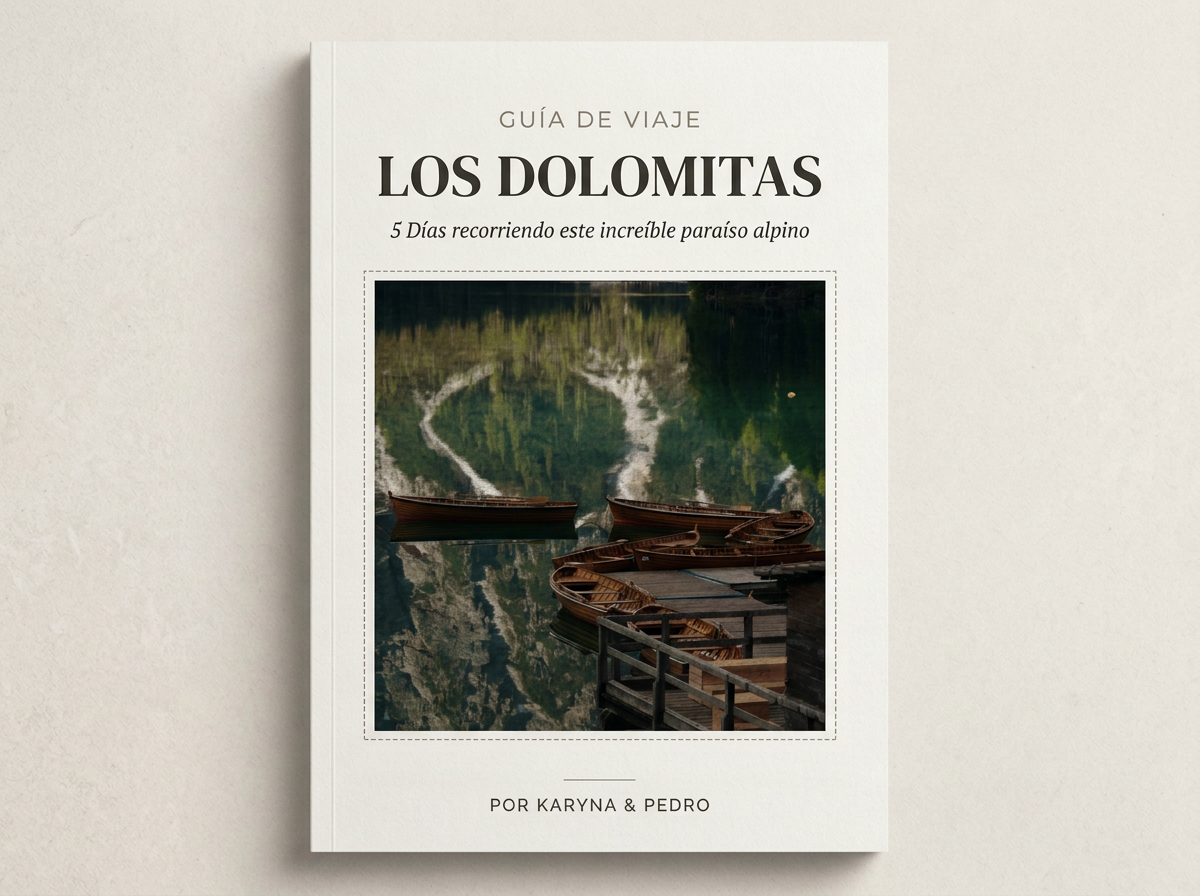
Want to enjoy the Italian Alps to the fullest? Here's our must-read guide to help you know where to go and how to make the most of your time.
The First Lake and a Lesson About the Weather
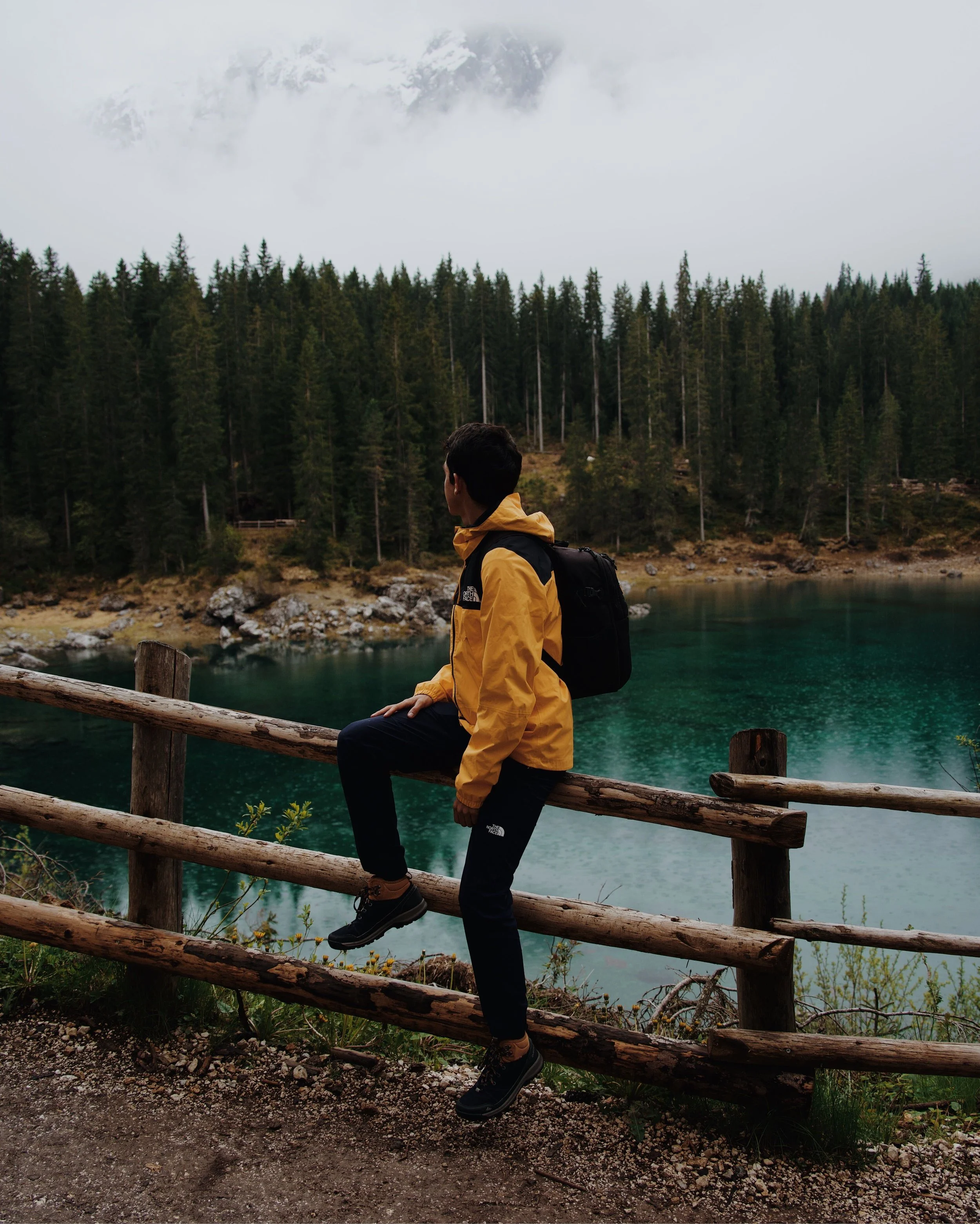
Lago di Carezza was our first stop. Turquoise, surrounded by pines, with the mountains reflected in the water when the sky allows it. The trail is short and easy, almost anyone can do it, and the lake is literally right next to the road. What nobody tells you is that the weather in the Dolomites changes without asking permission. We arrived under sunshine and in twenty minutes the sky had closed in. Bottom line: make the most of every clear minute as if it were your last.
That night we slept at Parkplatz Zanser Alm, so we'd have the next day's hike right at the camper's doorstep. Honestly, we were pretty cold, there were 4 of us, and the weather those first days was quite harsh, it even snowed, but nothing stopped us from enjoying it or losing our excitement.
The Day It Snowed and We Hiked Anyway
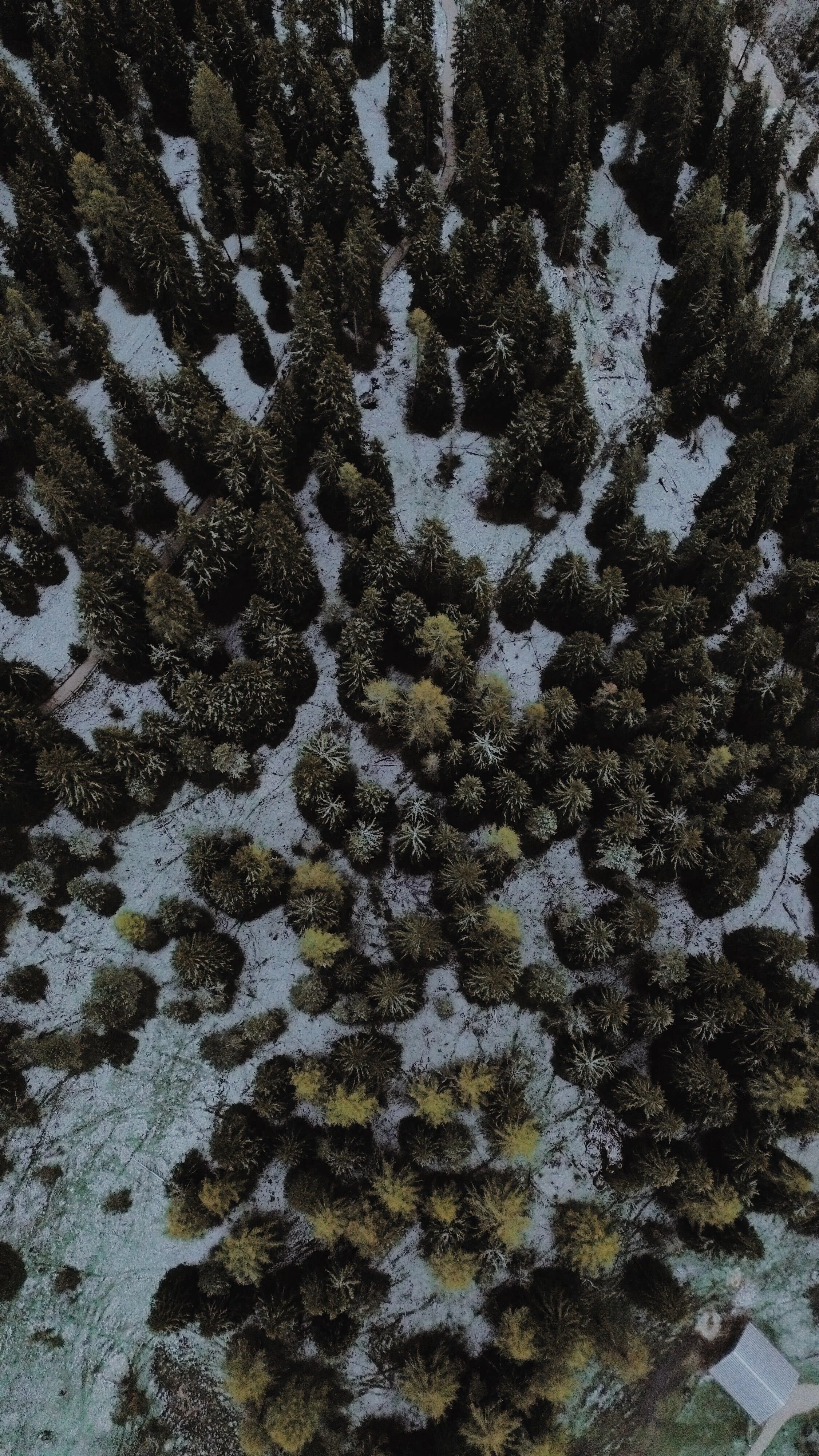
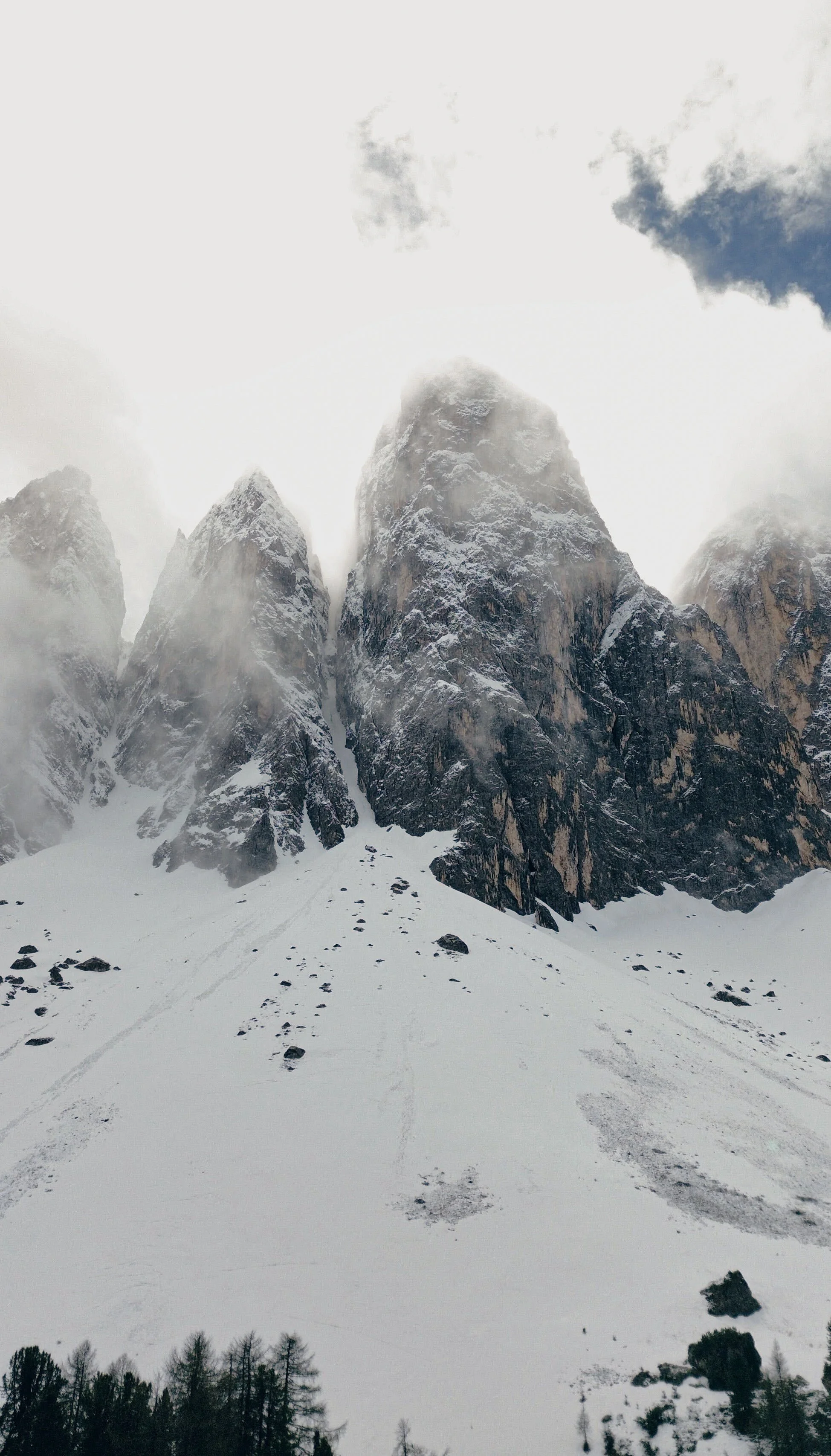
We woke up at Zanser Alm to snow. Not the pretty, photogenic kind from postcards, but wet, sideways snow that gets down your collar. Still, the views from the parking lot were reason enough to head out.
We hiked to Refugio Odle. About 3-4 hours depending on how often you stop to look, and we stopped quite a lot. The Odle peaks emerge between clouds in a way that makes no sense until you see it in person. On the way back, with wet clothes and cold feet, the restaurant by the parking lot welcomed us with a hot tea that tasted like heaven. The trail is simple but gets a bit tricky with snow, though the views don't disappoint and you should keep an eye out for when the peaks clear. This is where we got to fly the drone.
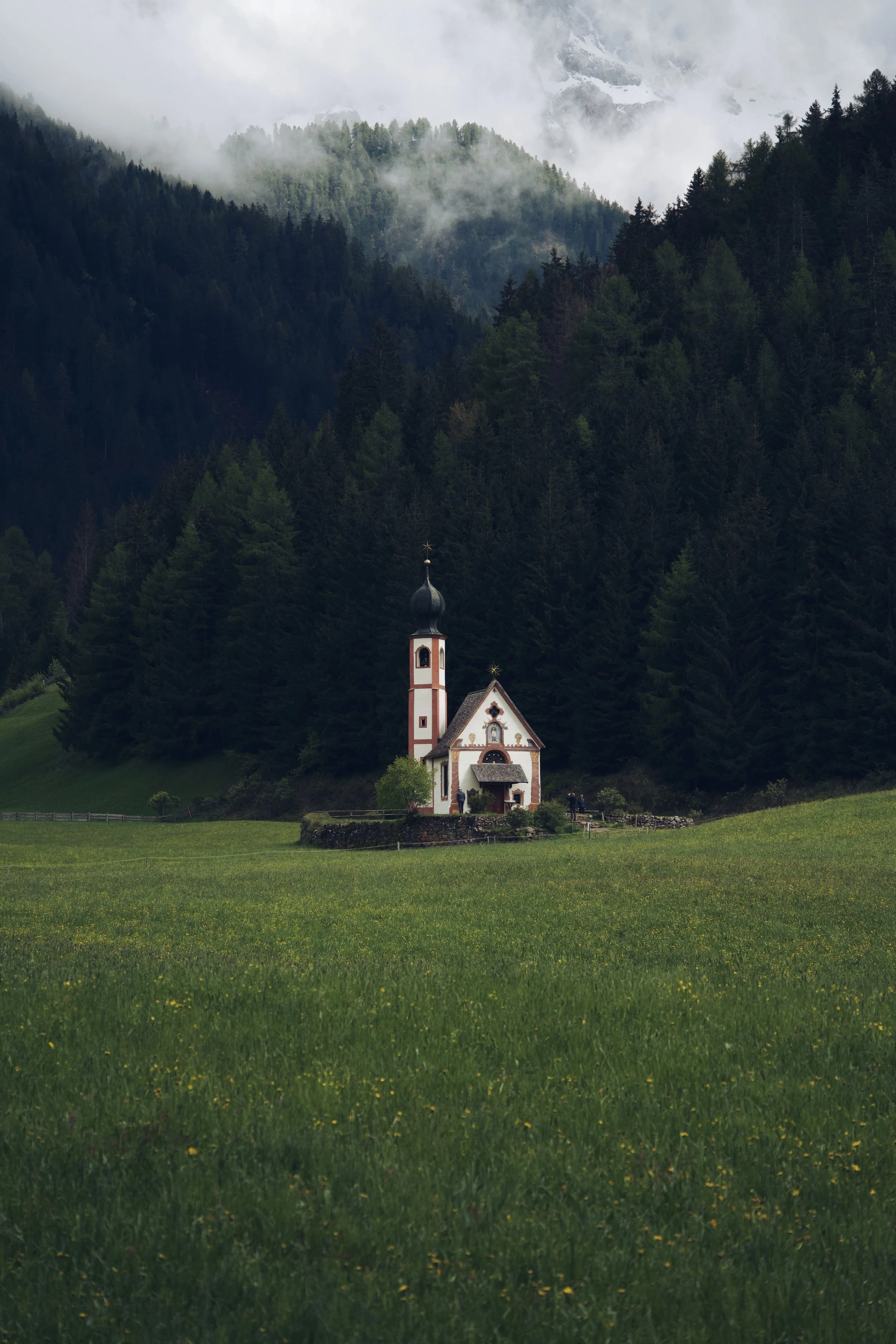
Afterwards we took the camper and drove through Val di Funes. The Church of San Giovanni, that perfect postcard of a white chapel with green meadows and mountains behind it, we saw from the viewpoint before arriving, free and without crowds, although parking nearby takes patience and driving around Santa Maddalena for a bit, which depending on the season may take you a short or long time. For us it didn't take long to find a spot, and we didn't wait that long either. It was more about seeing this iconic church, and that was that.
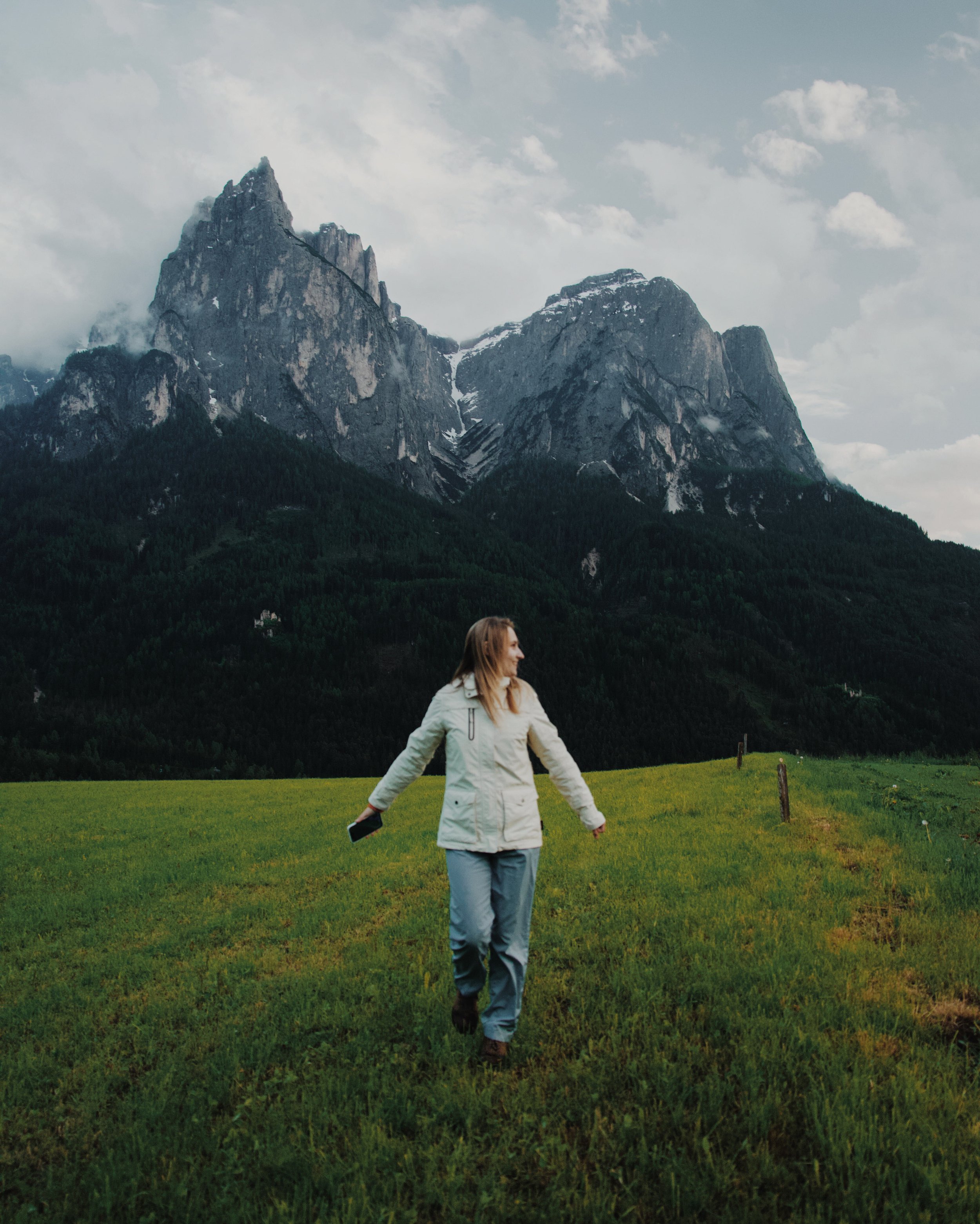
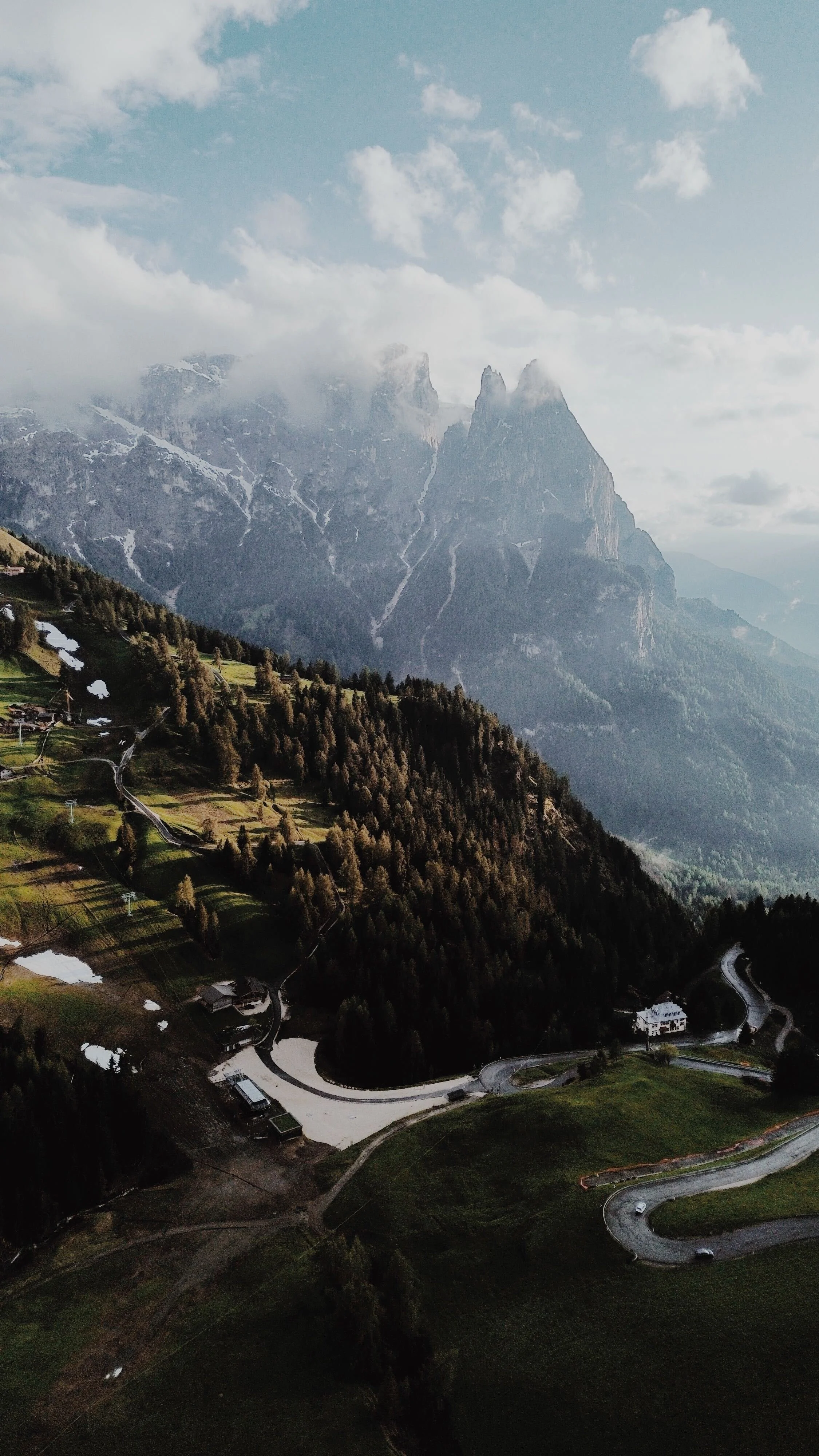
We ended the day at Alpe di Siusi, the largest alpine meadow in Europe. We didn't have time for trekking, but just standing there looking at that immense meadow with the alpine peaks behind it is reason enough to have stopped. We took the chance to take photos, fly the drone again, watch the sunset and get ready for bed.
The Day of the Mountain Passes
The third day was one of the most beautiful.
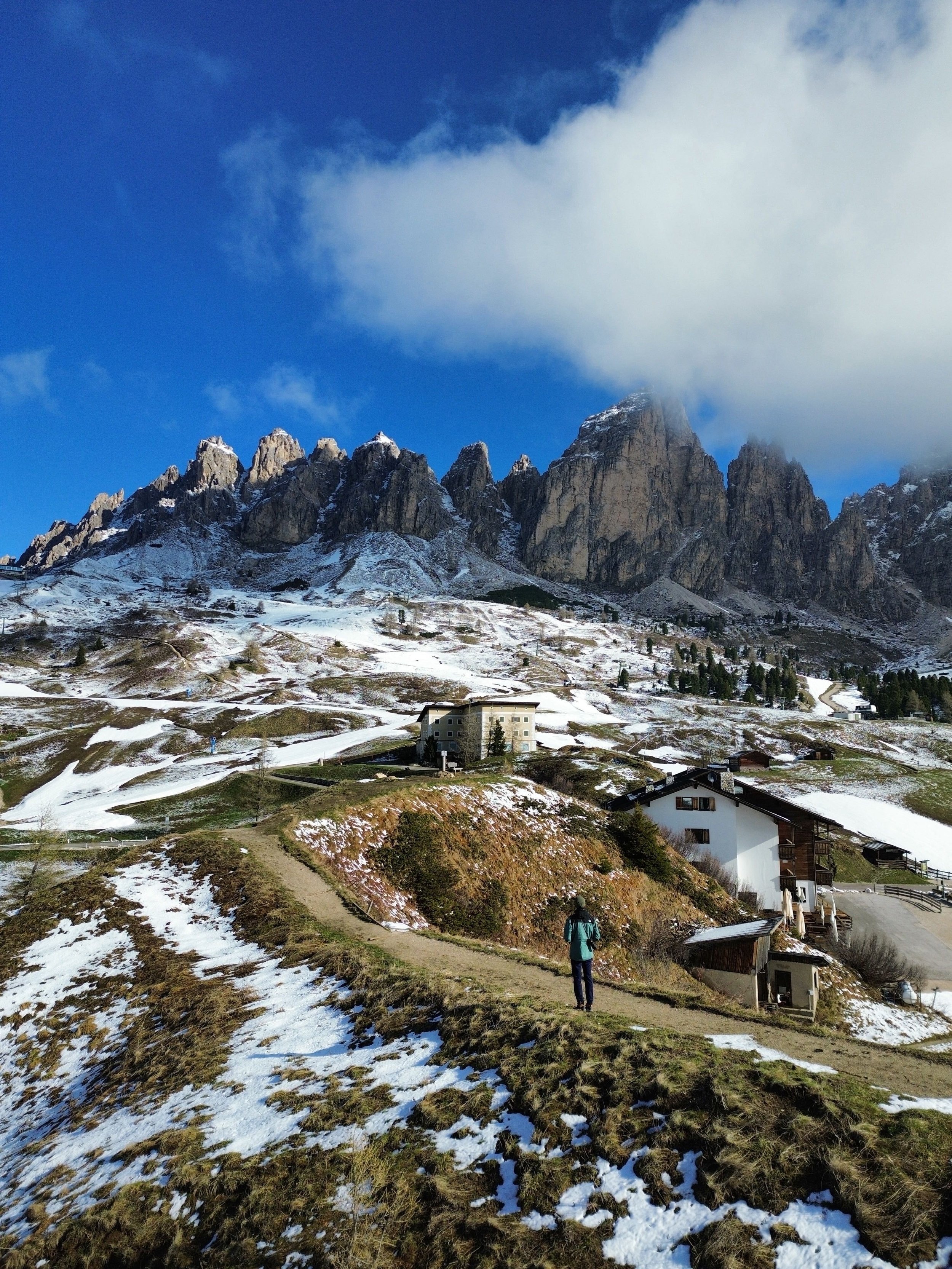
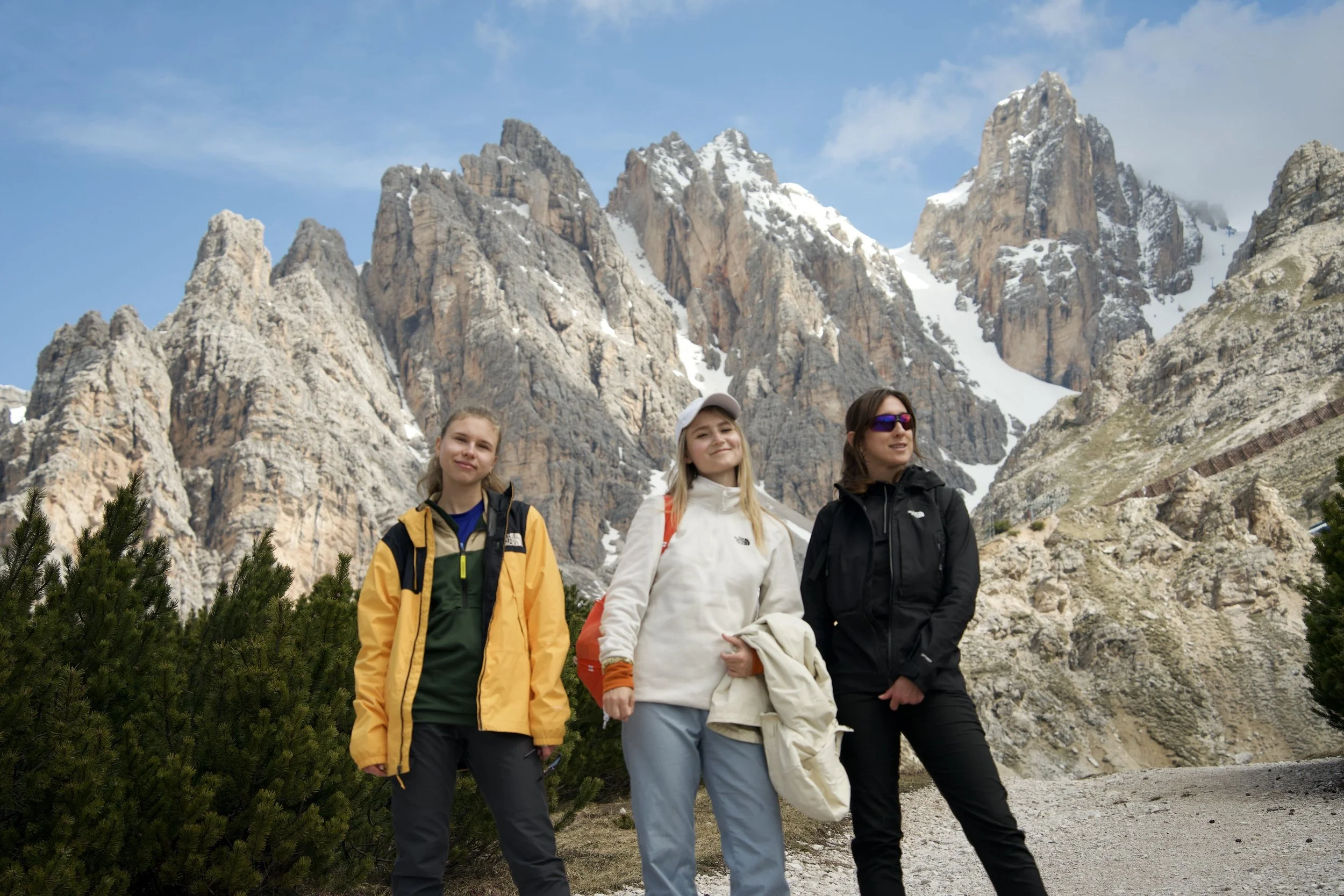
We started at Passo Gardena, at 2,136 meters. The Maratona dles Dolomites, that cycling race you see in documentaries that makes you wonder how anyone can pedal up that, passes through here. The Pizes de Cir in the background make this pass one of the most photogenic spots on the route. We got postcard-worthy photos, enjoyed the scenery a lot, and saw a little animal scampering around too.
Then Sottoguda, a little village of wooden houses that seems like time stopped somewhere in Tyrol, and Alleghe, with its lake and Monte Civetta watching over from behind. Alleghe looks like it came from a Christmas postcard, and at the time we went (May) winter hadn't quite ended and the village was pretty empty.
The second part of the day: Passo Giau, with Monte Nuvolau dominating the horizon, and as evening fell, Cortina d'Ampezzo. Cortina is elegant and well-kept, with lovely shops and restaurants where you can eat well. We slept there, taking advantage of the fact that the parking lot was free overnight. One of those camper perks that's priceless.
Keep in mind that finding a place to park the camper can be more or less easy depending on the season. There are campgrounds, but since it was low season, they weren't open.
The Day That Will Be Hardest to Forget
We'd been looking forward to the fourth day from the start: Lago di Braies and Tre Cime di Lavaredo. We left Cortina before sunrise.
Lago di Dobbiaco, on the way, with a bit of morning fog, had something unreal about it. We stopped for five minutes and moved on.
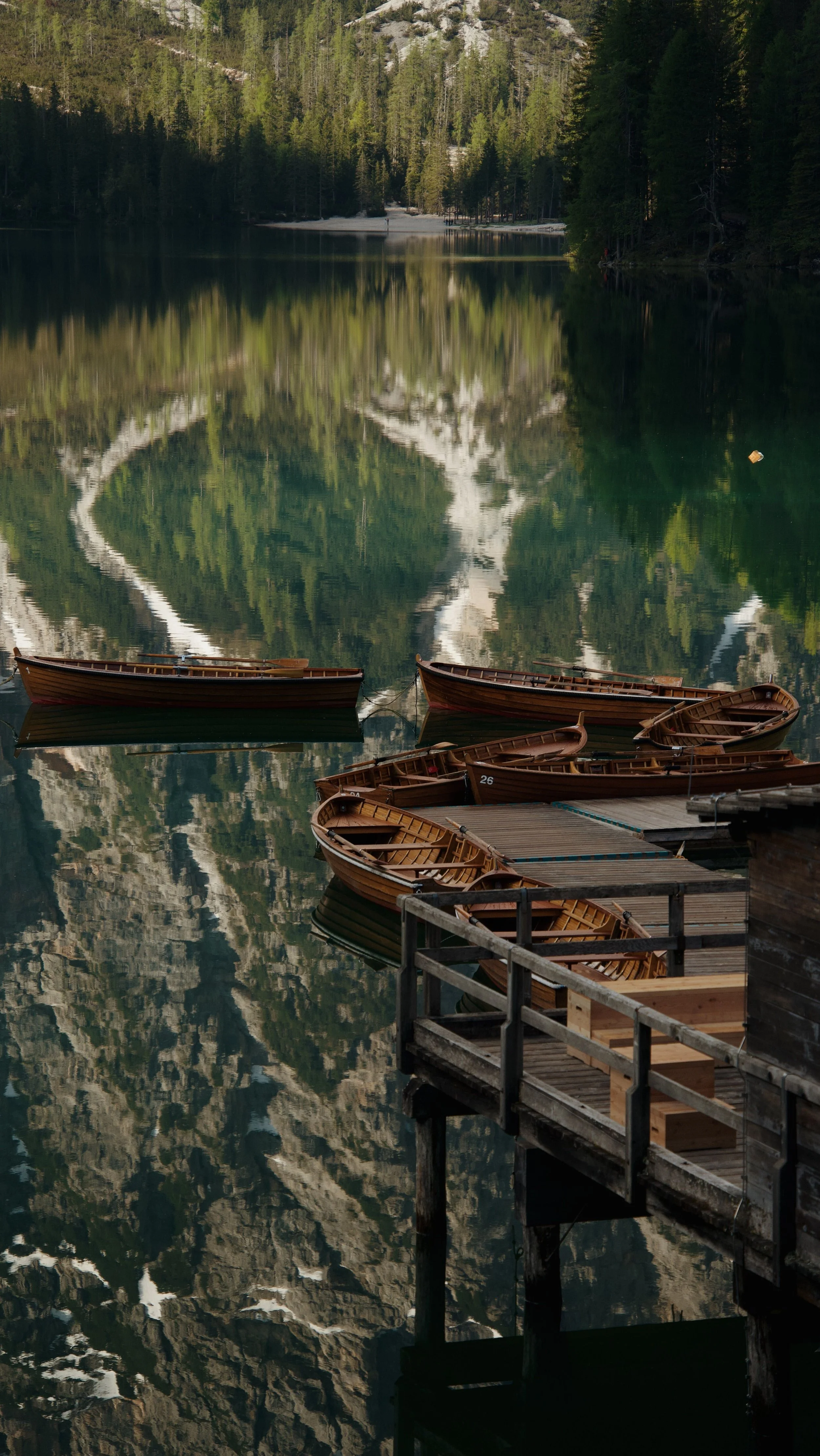
We got to Braies before 8. That's important. At that hour, the wooden boats are still tied up by the dock, there are few people, and the light does things to the water that don't make sense, constantly changing the scenery. If you want to rent a boat, you have to wait until 9 and queue if you don't arrive early; it costs €50 for 45 minutes. The loop around the lake takes a little over an hour and is well worth it.
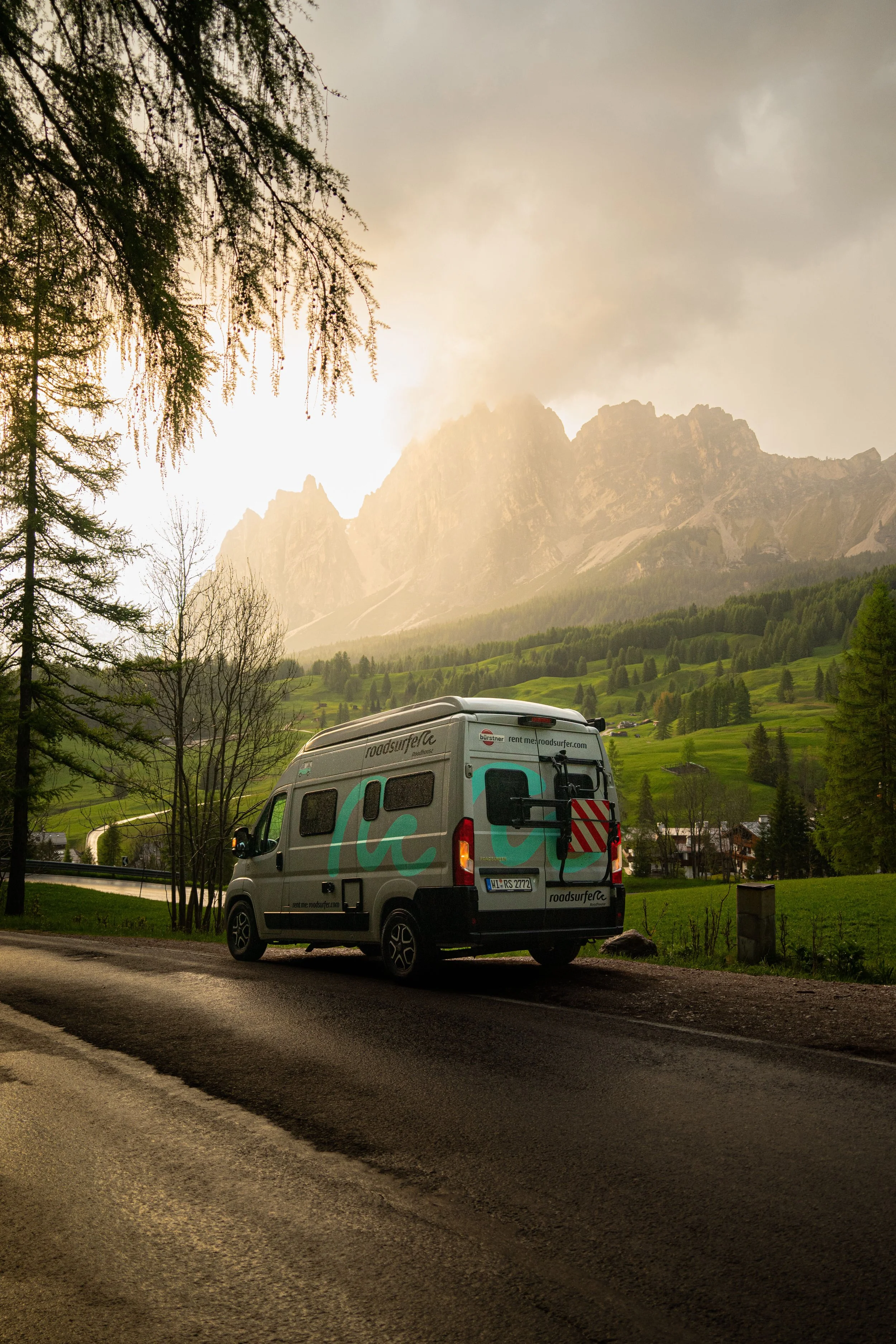
Then, Tre Cime di Lavaredo. The access to the Refugio Auronzo parking lot was closed when we arrived, so we left the camper near Lago Antorno and the hike got longer. We followed trail 101 toward Refugio Locatelli, passing the Alpini Chapel and Refugio Lavaredo. When the north face of the Three Peaks appeared before us, those three towers of rock rising from the ground as if someone had planted them there, we understood why they're the symbol of the Dolomites. The weather didn't help much because we did the hike with snow and couldn't complete the full loop, but it's always worth it.
We returned exhausted. We slept in Cortina. Without eating much dinner.
The Last Day and the Lake the Ice Kept
For our last day we had booked Lago di Sorapis, considered one of the most beautiful treks in the Dolomites. The lake is that turquoise blue that looks edited. We were really looking forward to it.
The lake was frozen. So was the trail. We didn't have the gear for that, so for safety we decided to change plans.
And here's the most honest advice we can give you: check trail conditions before you head out, especially during shoulder seasons. The Dolomites are beautiful at any time of year, but some routes depend heavily on the conditions of the day.
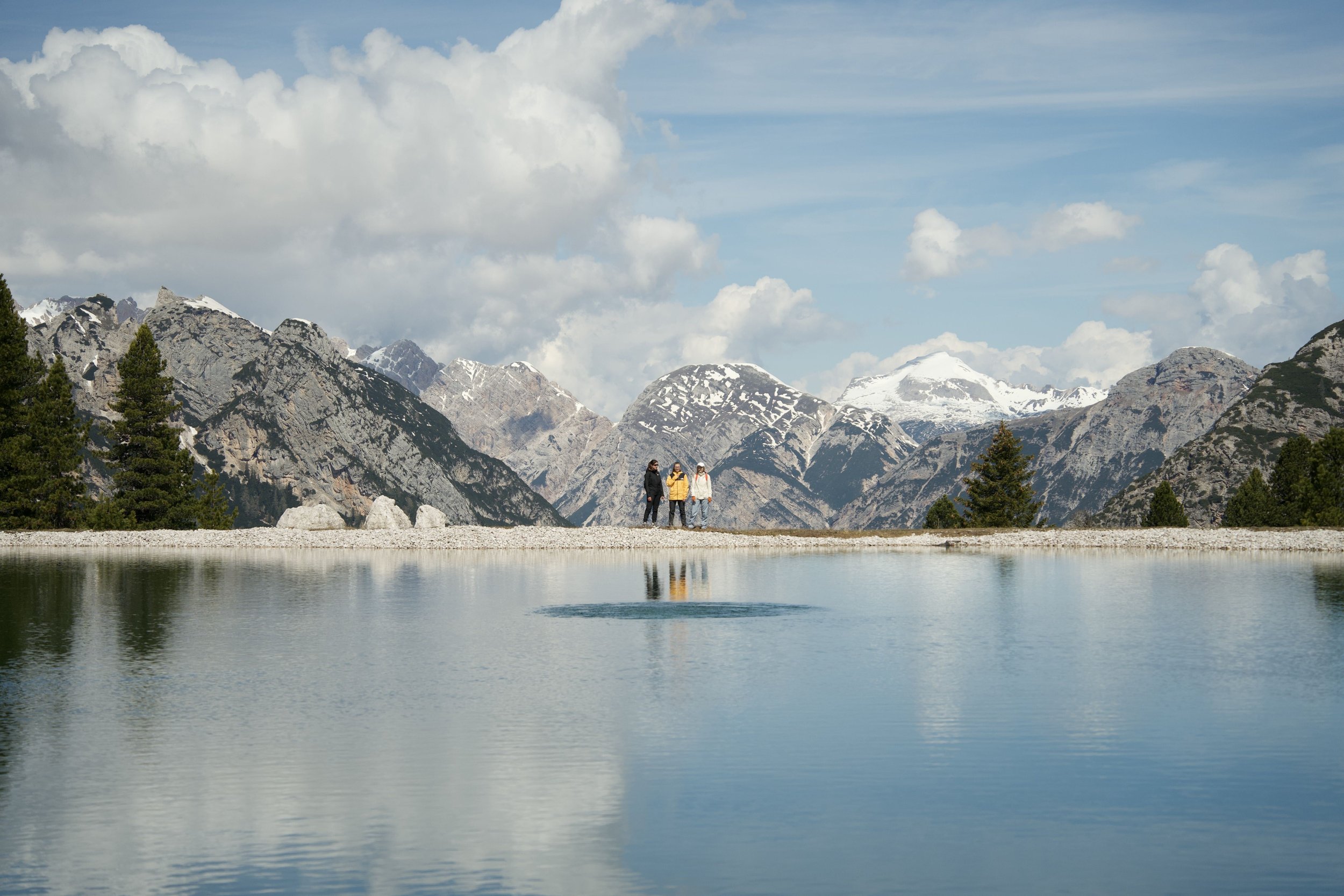
What we did instead was quickly find an alternative in the same area: the hike to Refugio Son Forca, starting from Passo Tre Croci. Throughout the climb you have Pico Cristallo at 3,221 meters watching over you. At the top there's a small lake and a rest area with benches where we stopped to eat and not think about anything. It was exactly what we needed.
That afternoon we returned the camper in Venice and spent our last day in the city of canals. It seems the trip is more than 5 days, but trust us, you'll need days and energy to explore everything you can see there.
💡 Pedro and Karyna's Tips
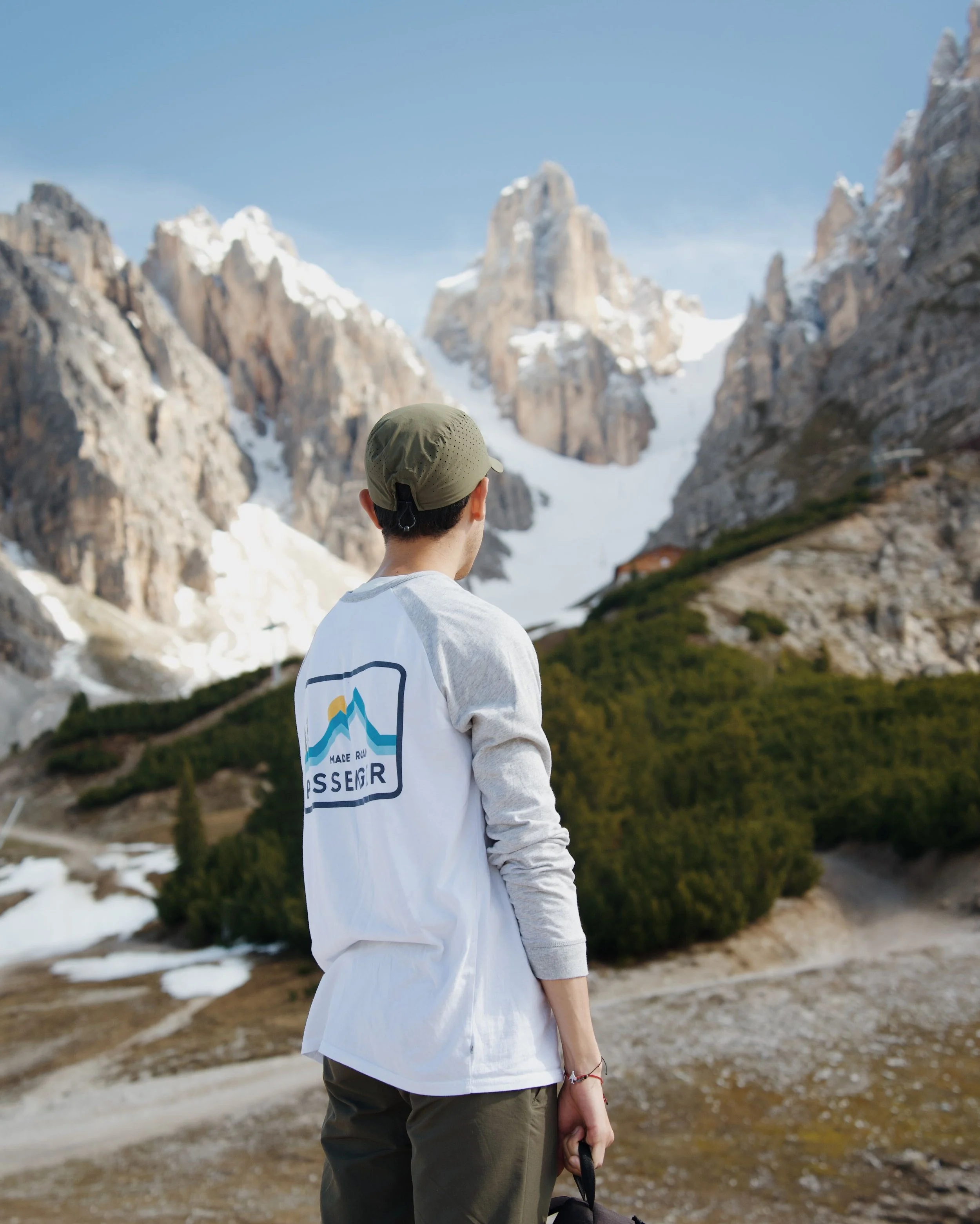
🚐 Transportation The camper gave us a freedom that a hotel never would have. Being able to sleep right where we'd be hiking the next day, adjusting the plan based on the weather, cooking our own food, all of that changes the trip. If you don't want a camper, a rental car is the best alternative: the Dolomites are very big and public transport doesn't reach everywhere.
✈️ Getting There There are up to 6 airports nearby: Venice (Marco Polo or Treviso), Verona, Bergamo, Milan and Bologna. We flew into Treviso because that's where we picked up the camper. Set up alerts on Skyscanner or Google Flights from your city to snag the best price.
🅿️ About Parking Prices vary a lot. Some are free (Passo Tre Croci), others are paid (Braies: €7 car / €11 camper; Zanser Alm: €8 / €25). Always carry cash. And if you're traveling by camper, taking advantage of overnight parking when there's no enforcement is a perk you shouldn't ignore.
🌦️ The Weather, Seriously Pack clothes for everything: sun, rain, wind and snow. All in the same day. And check trail conditions before you head out, especially if you're traveling during shoulder seasons like we did.
📅 When to Go From May to September is the best time for hiking. Summer is the most recommended, although there are more people. If you love skiing, between December and March you'll find more than 1,200 km of slopes with the Dolomiti Superski area.
⏱️ How Much Time You Need With 5-7 days you'll see the essentials. To really explore, come back. The Dolomites are one of those places that deserve more than one visit.
The Dolomites are not an easy destination to define once you've experienced them. There are too many different landscapes, too many moments that don't fit into a single description. Rocks that change color depending on the time of day, lakes that seem unreal, villages with centuries of history mixed with world-class ski resorts.
Italy is one of our favorite countries. And northern Italy, with the Dolomites, confirms why every time we come back, it's harder for us to leave.
Have you been? Do you have a route we shouldn't miss on our next trip? Let us know in the comments. 👇
