Six days and about 830 kilometers. That's how long it took us to drive across Asturias from end to end, from Cudillero and the western coast to the Covadonga Lakes, with a side trip to Mogrovejo, already in Cantabria. Is six days enough? Yes, as long as you accept that you won't see everything and you base yourself in three places so you don't have to pack up every morning.
We flew from Valencia to the Asturias airport on a Thursday in October, at half past two in the afternoon. We picked up the rental car, which we booked through the app QEEQ (if you use it, our code [IMES8 - 8% OFF] gets you a discount), took photos of every last scratch (to avoid problems when returning it), and by four we were dropping our bags on the outskirts of Cudillero. October has one big advantage: you can drive up to the Lakes on weekdays, the villages breathe, and restaurants have tables without you having to fight for one.
Here is the route exactly as we did it, including what we changed along the way, what we would book in advance and where we ate. At the end you'll find practical tips and the questions you've asked us most.
📋 What you'll find in this post
Day 1: Cudillero at sunset
Day 2: the western coast, from Cabo Vidio to Luarca and Puerto de Vega
Day 3: Sella River descent, Lastres and Llanes
Day 4: Potes and Mogrovejo via the Hermida Gorge
Day 5: Covadonga Lakes and Bulnes hike
Day 6: Pozo de la Oración viewpoint and heading home
Where to stay in Asturias: our three bases
Pedro and Karyna's tips
Frequently asked questions
If you want to have everything at hand, you can download our guide here.
Six days driving through Asturias, from the Cantabrian coast to the Picos de Europa: itinerary, interactive map, accommodation and real tips. Everything we did, in a 22-page guide.
Day 1: Cudillero at sunset
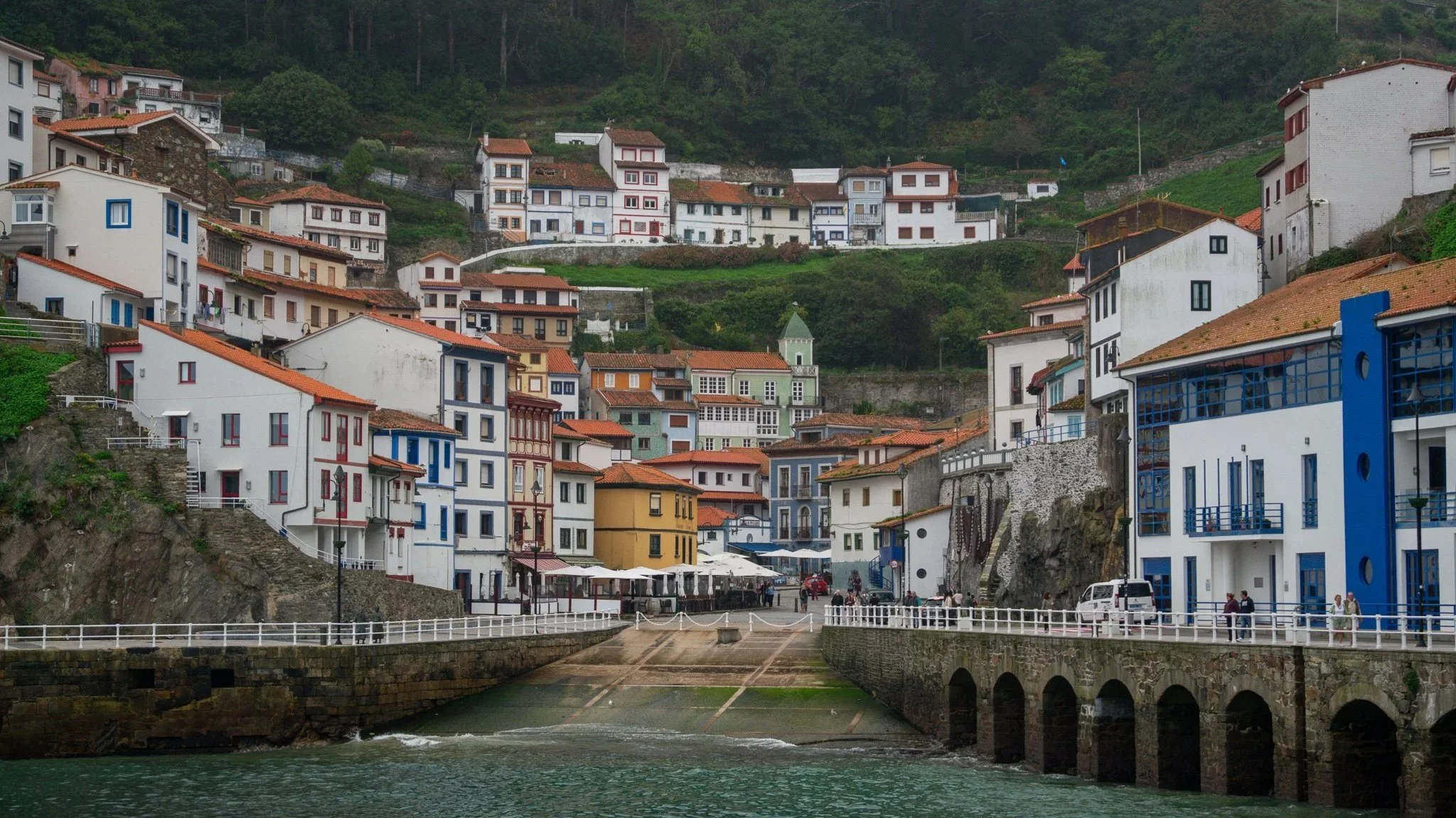
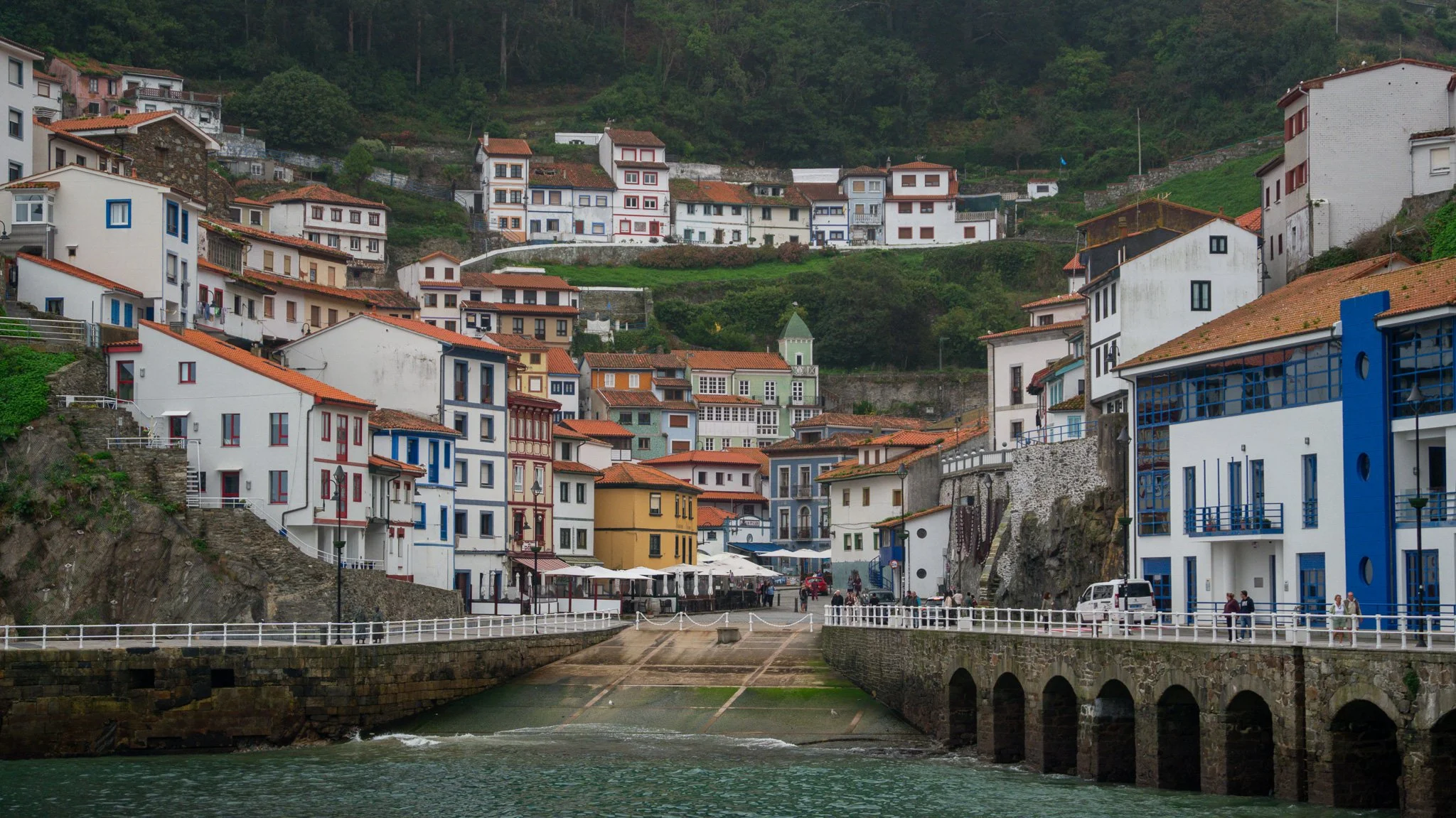
Cudillero looks best from the bottom up. We parked down by the harbor and paid €2.50 for the afternoon. We were lucky with the change of season: the next day, when we came back for dinner, it was free. And you can tell it's a different time of year: far fewer people and plenty of parking, something unthinkable in August.
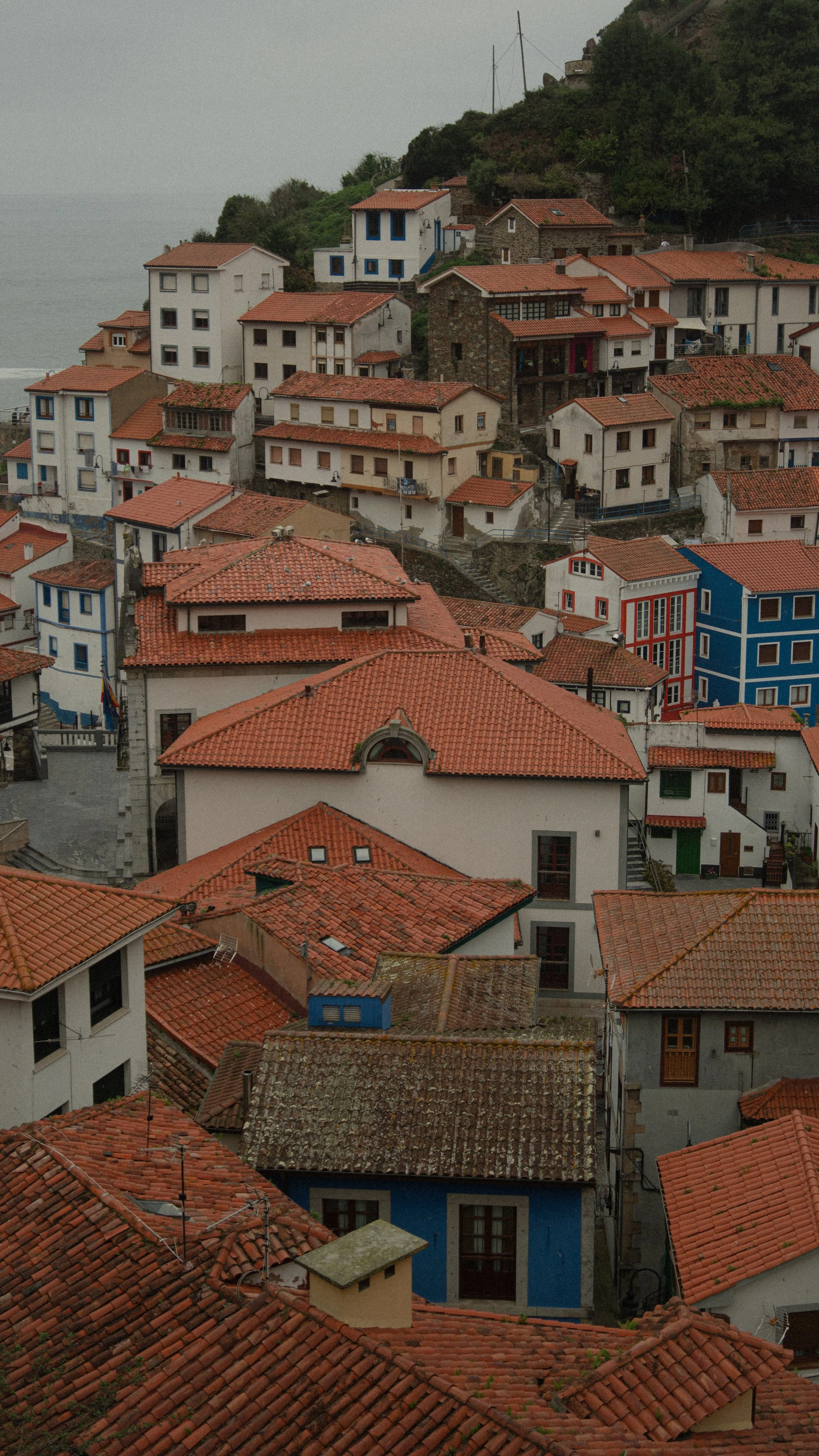
We entered through the pedestrian tunnel, about 300 meters carved into the rock, which spits you out right into Plaza de la Marina. And suddenly there are the colorful houses clinging to the hillside, one on top of another, looking out over the harbor. It's the photo everyone has of Cudillero. And yes, in person it's just as beautiful.
We grabbed something to eat in the square and, close to sunset, we did the Cudillero viewpoint walk, which climbs through the village streets and gives you a different view of the amphitheater of houses at each stop. Mirador del Pico, La Garita, La Atalaya. The idea was to watch the sun go down from above. In October it sets around 7:45 pm, so you need to leave some buffer time. Honestly, we met very few people on the route, so it was pleasant and we had an incredible view of the lighthouse.
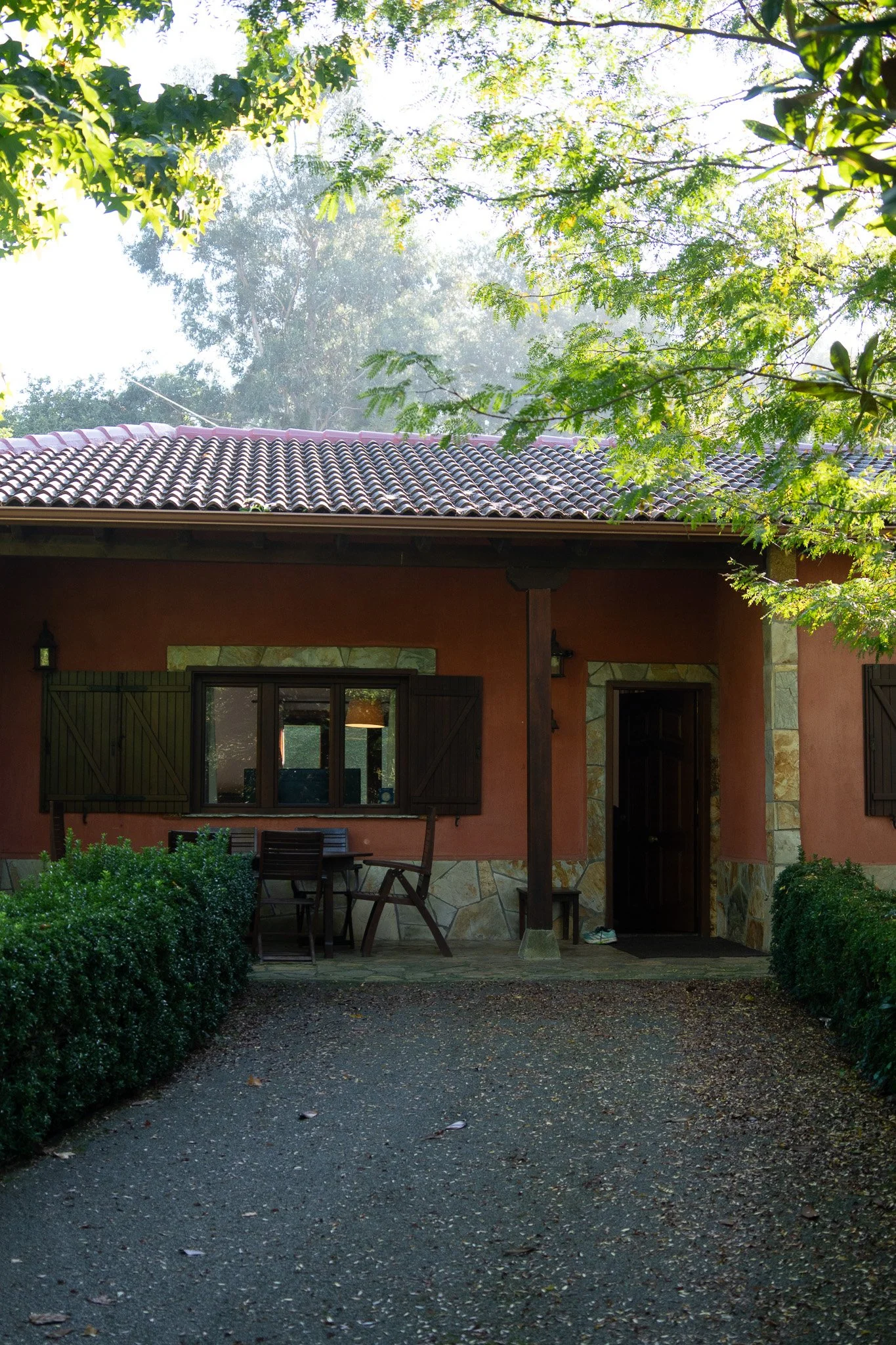
We had planned to have dinner in the village, but after the trip and the tiredness, we went to a supermarket, stocked up for the whole trip and had dinner at the house, which was really lovely [Cudillero accommodation] , and honestly we highly recommend it because it's worth it. We put on a series and ended the day there.
Day 2: the western coast, from Cabo Vidio to Luarca and Puerto de Vega
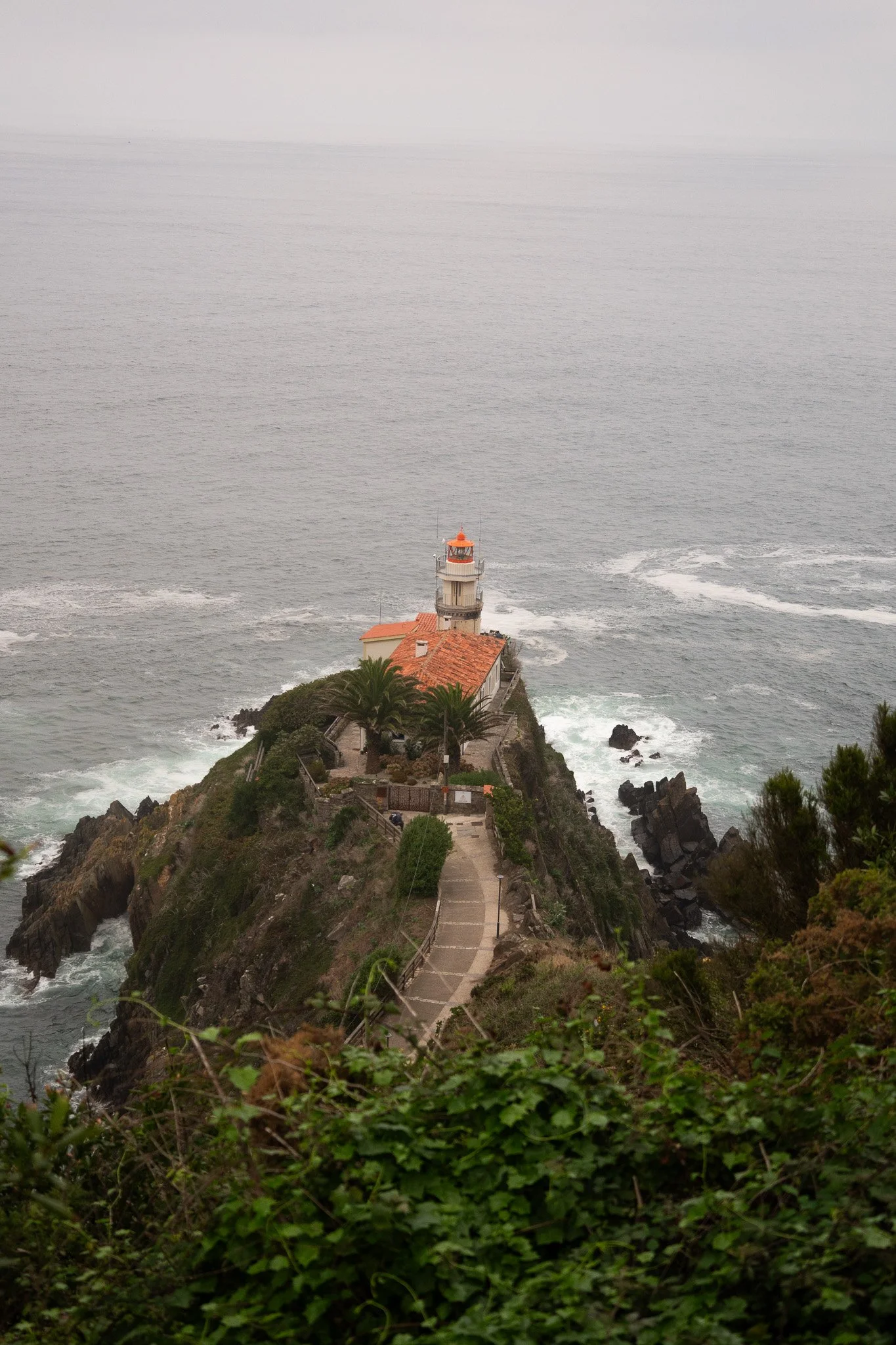
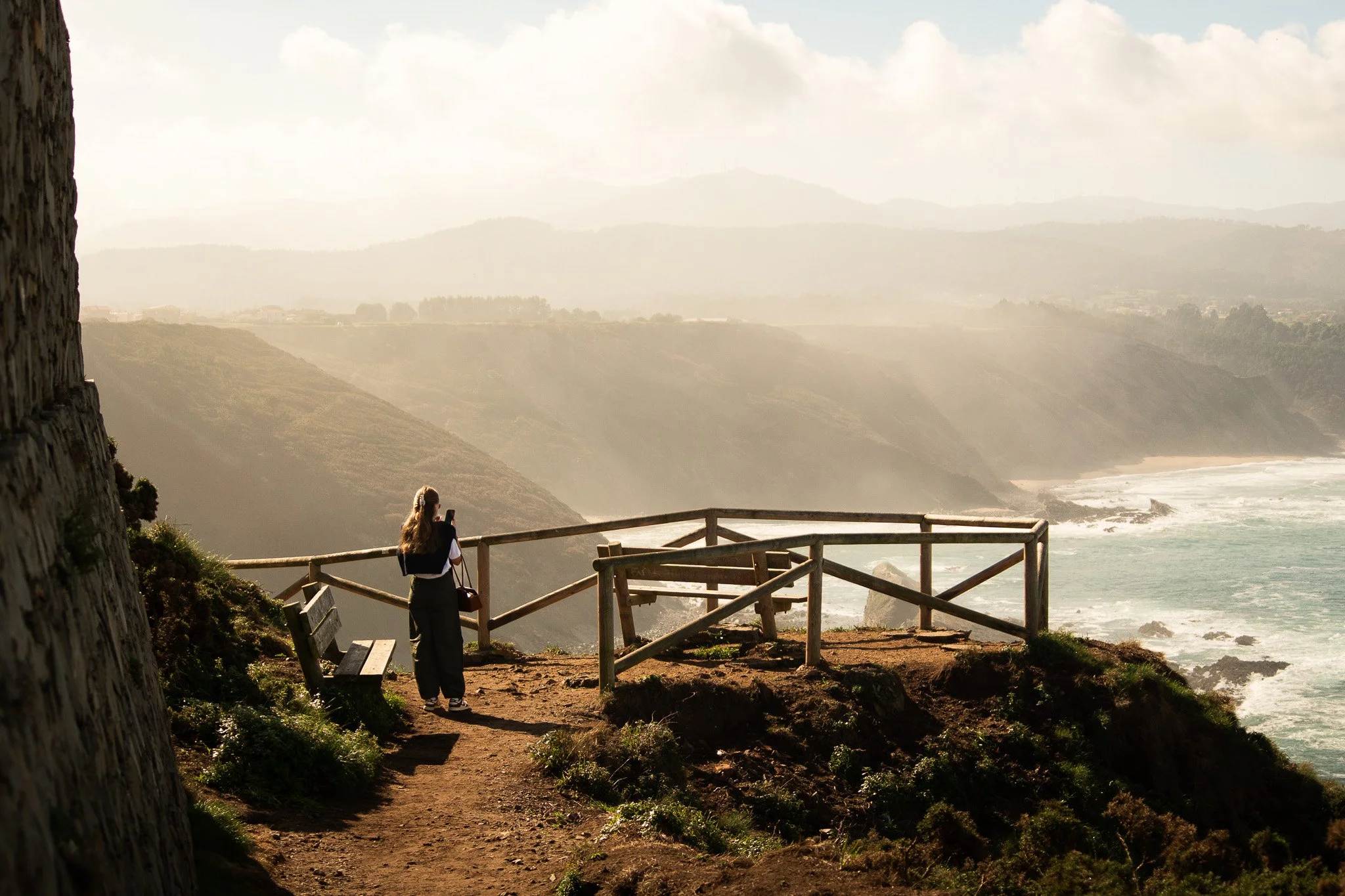
Friday was cliff day. We went straight to Cabo Vidio, with its lighthouse overlooking the Cantabrian Sea, and walked the cliff trail. Beautiful. We parked right where the cliffs begin and kept stopping to look at the scenery, which was incredible. Bring a windbreaker even if it's sunny; there's a bit of wind, but it's absolutely worth it, just looking at the photos.
Our next stop was Playa del Silencio, probably the most famous cove in Asturias. You go down a staircase, and it's a good idea to check the tide first, because at high tide there's very little beach left to walk on. Since it was already the change of season, the beach was empty, so we could enjoy it in peace.
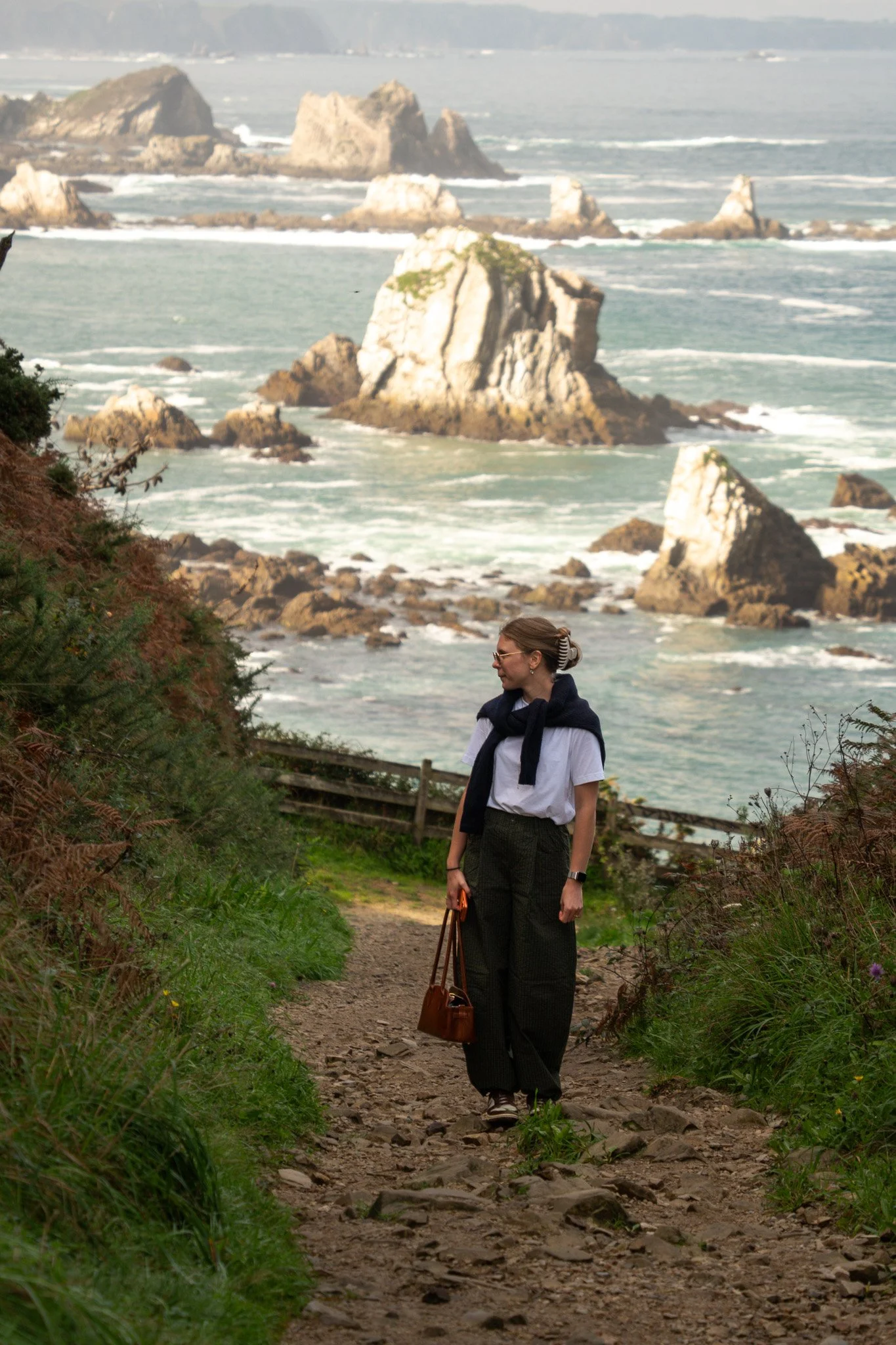
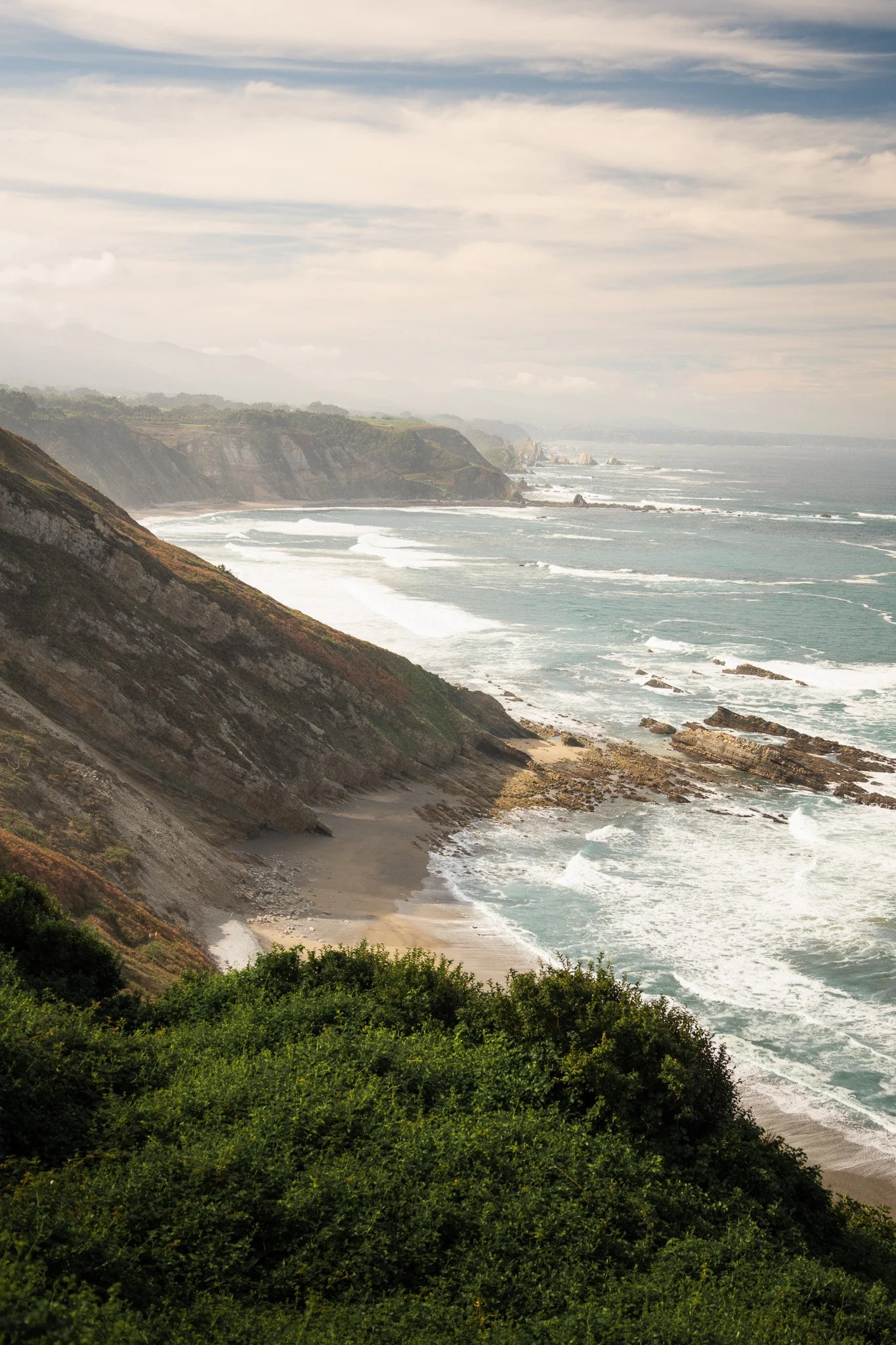
From there we continued along the coast and reached Luarca just in time for lunch. Afterwards we strolled around the harbor, crossed the bridge and climbed up to the cemetery, which sounds strange but has some of the best views in town.
We ended the afternoon in Puerto de Vega, a quiet fishing village, the kind of place where you feel like sitting down with a cider and doing absolutely nothing else. On the way back we had dinner at Asador Coriu, in Cudillero. It's highly recommended, without a doubt the best meal of the whole trip, though you should budget well for it.
Day 3: Sella River descent, Lastres and Llanes
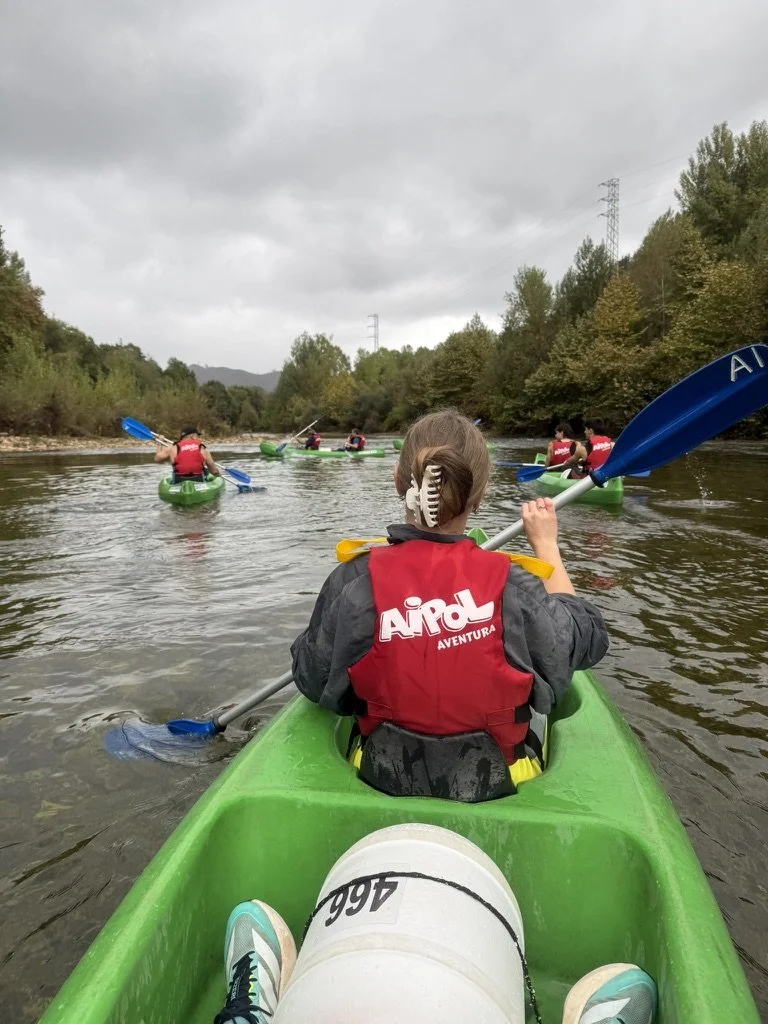
Saturday meant an early start. We checked out and left Cudillero at a quarter past eight, heading for Arriondas, a bit more than an hour away on the A-8, to do the Sella River canoe descent.
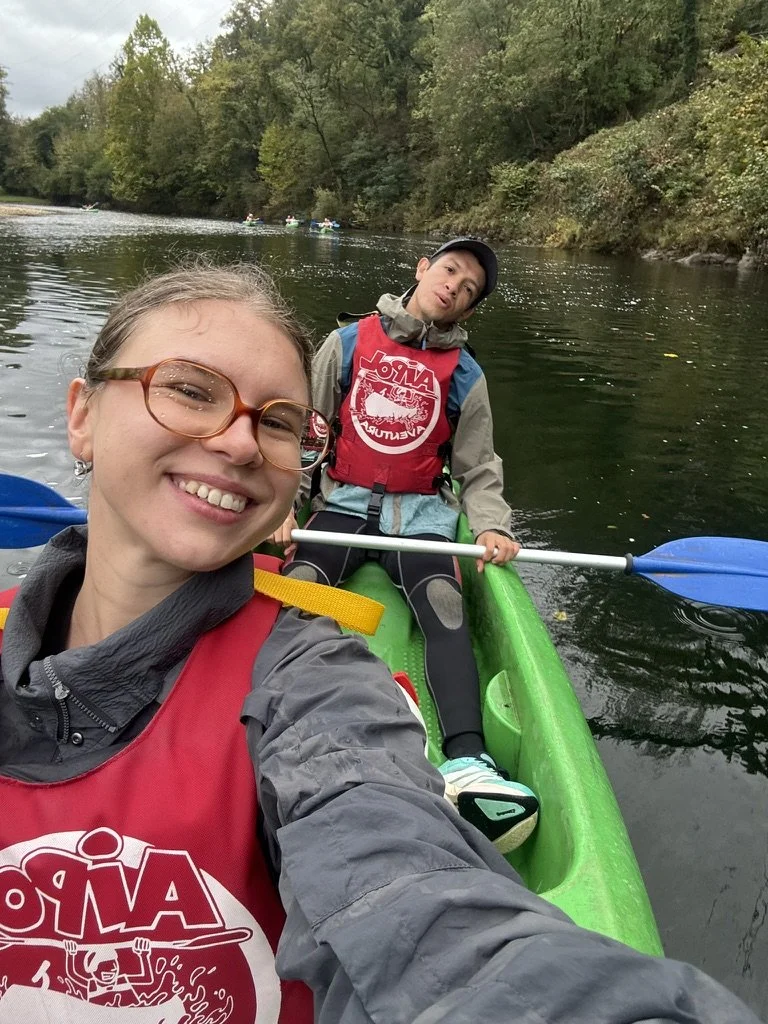
The river run to Ribadesella is about 15 kilometers, taking between two and a half and three hours on the water. Most companies include wetsuits, a waterproof dry bag and transport back to Arriondas, and on GetYourGuide prices are around €35 per person, with free cancellation. We chose the 11 am departure, the earliest one, because the 12:30 one didn't leave us enough time for the rest of the day. Although the full route is 14-15 km, there is an option to finish at 8 km, which is what most people did. We got wet because it was drizzling a little, but it's an unmissable activity if you're in the area; we've left the booking options below.
👉 Book the Sella River canoe descent from Arriondas (€35, 4.9/5 with more than 120 reviews)
After taking off our wetsuits and bundling up, we had a set lunch menu that included cider and cachopo, and then we headed to Lastres. It's a village on a slope above the sea, with steep streets that always end at a viewpoint. Since we'd already eaten, we just wandered around the village and then made our way to our next destination, as we were very tired.
We arrived in Llanes at sunset. We checked in at the hotel, which was also very good, and rested for the remainder of the day. Sometimes we forget that vacations are also for resting.
Day 4: Potes and Mogrovejo via the Hermida Gorge
On Sunday morning we strolled around Llanes until midday, and honestly we were really surprised by how beautiful the town is. Then we crossed into Cantabria. From Llanes we headed down toward Panes and drove into the Hermida Gorge, a mountain road squeezed between rock walls that is best driven without rushing. We stopped at the Mirador de Santa Catalina, where there's a beautiful panoramic view. It's worth the detour. Photos don't do it justice.
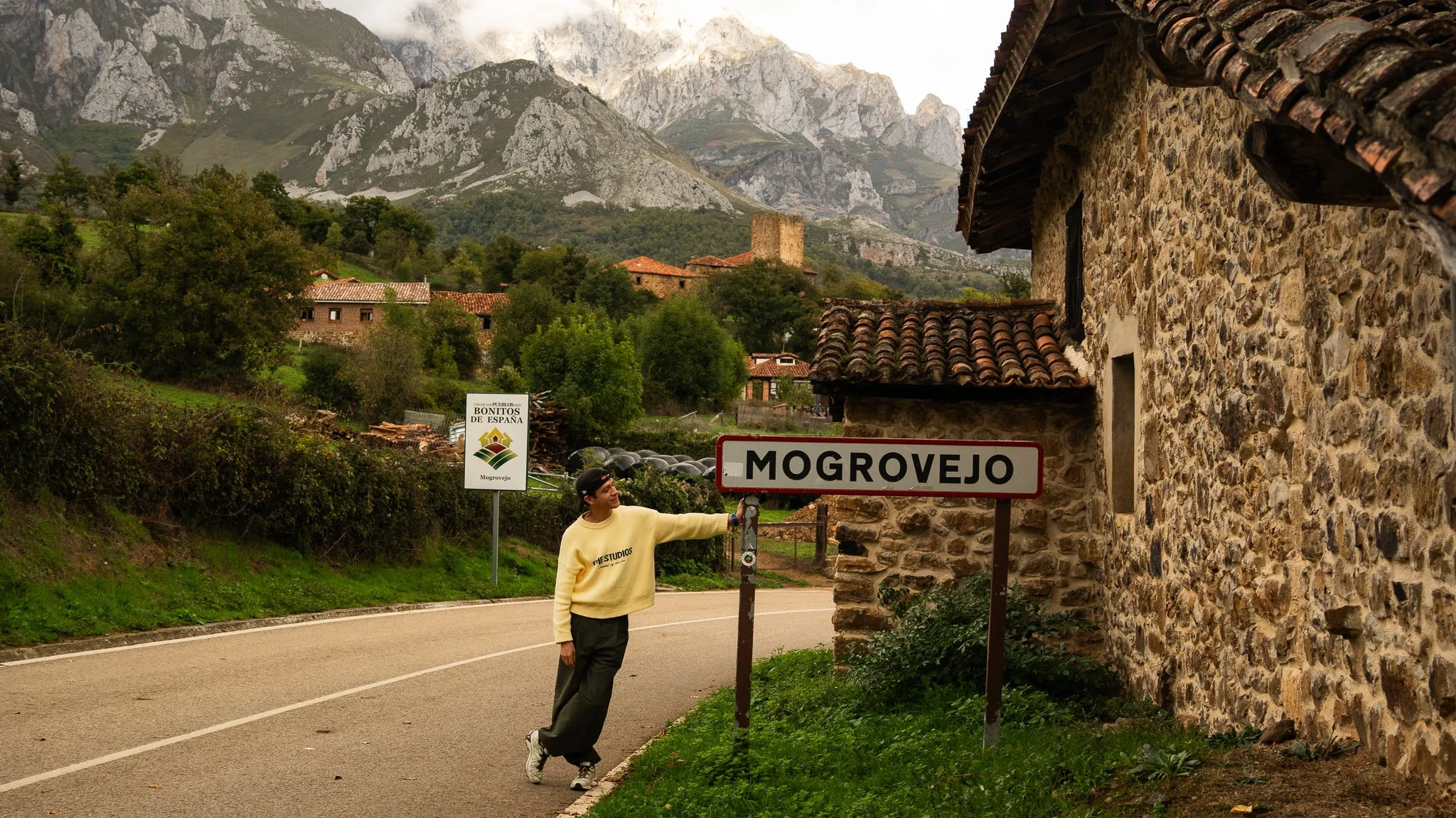
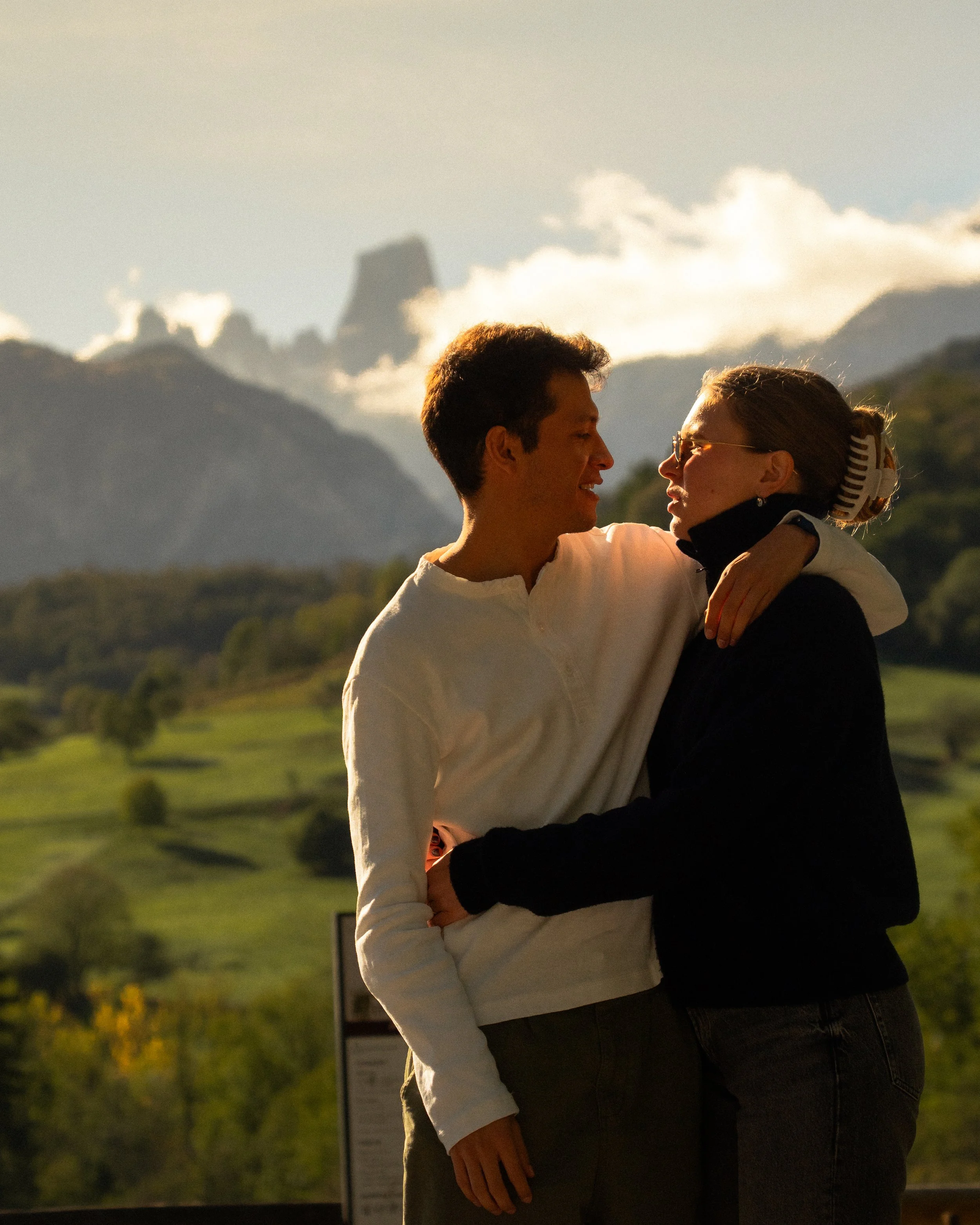
We had lunch in Potes, the main town in the area, and then drove up to Mogrovejo. And this stop wasn't just any other. Mogrovejo is Pedro's surname, and we found out that it comes precisely from here, from this stone village with its medieval tower and the Picos de Europa behind it. Arriving at a place that has carried your name for centuries is hard to explain. We made the detour mainly out of Pedro's curiosity, and also because it's considered one of the most beautiful villages in Spain. At this time of year there wasn't much activity, but the views of the peaks were impressive.
The village itself is what it is: a walk, a few photos and a coffee at Bar Mogrovejo. That's all we did, and it was exactly what we needed.
If you're coming from Llanes, having lunch in Potes before heading up is the best way to fit the day together. From Mogrovejo to Cangas de Onís it's roughly a two-hour drive back, so it's best to leave while it's still light.
In the evening, a short walk to the Roman Bridge of Cangas, which is actually medieval even though nobody calls it that. For dinner in Cangas, we did another small grocery run and ate at our country house, which was once again fantastic.
Day 5: Covadonga Lakes and Bulnes hike
Monday was the big day. We left around 9 with water, warm layers and rain jackets, and first stopped at the Covadonga Sanctuary, with the esplanade almost empty at that hour. The Santina Cave with the waterfall beneath it is worth the stop.
We drove up to the Buferrera parking lot. This can only be done on dates without restrictions: in 2026 the road was closed to private cars from June 1 to October 15 and on all weekends in October. Going on a Monday saved us. If your date falls under restrictions, you need to leave your car in Cangas and take the bus, which costs €9 round trip. Before you go, check the official access plan for the Covadonga Lakes on Turismo Asturias, for the updated restriction calendar, schedules and fares.
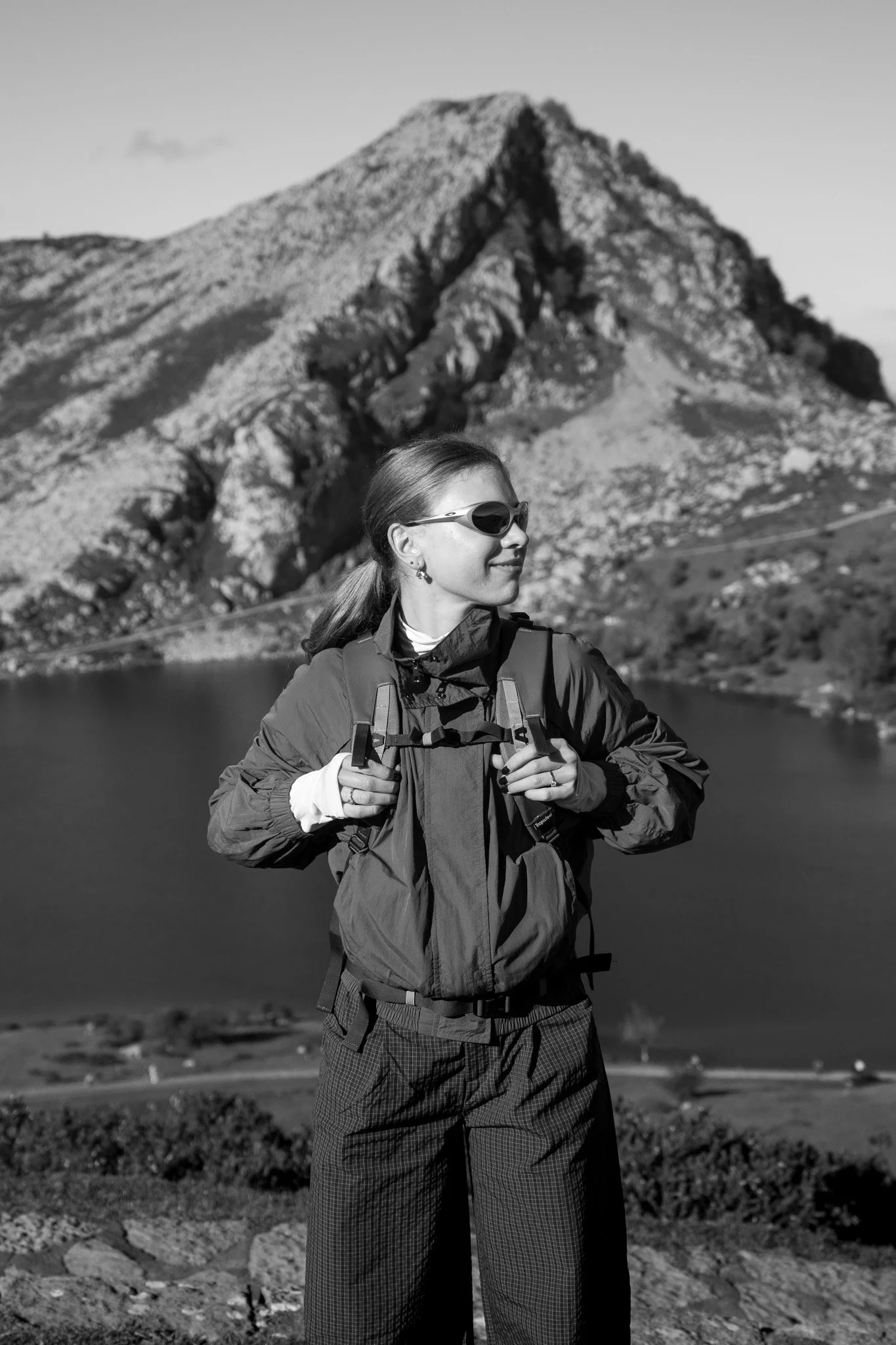
We did the Lakes circular route (PR-PNE2): 5.7 kilometers with a gentle climb, passing the Mirador del Príncipe, Lago Ercina, the Palomberu beech forest, the Enol meadow and Lago Enol. It takes two to three hours with stops. The day was spectacular, we took lots of photos and enjoyed the views in every possible way. It's a hike you should do with proper footwear. We'll leave you a photo to get you motivated. Besides the hike. [Covadonga Lakes Hike]
If you'd rather not deal with the car, the restrictions or the bus, there are guided tours that leave from Cangas de Onís and take you straight up.
👉 Guided tour to the Covadonga Lakes from Cangas de Onís (about €25)
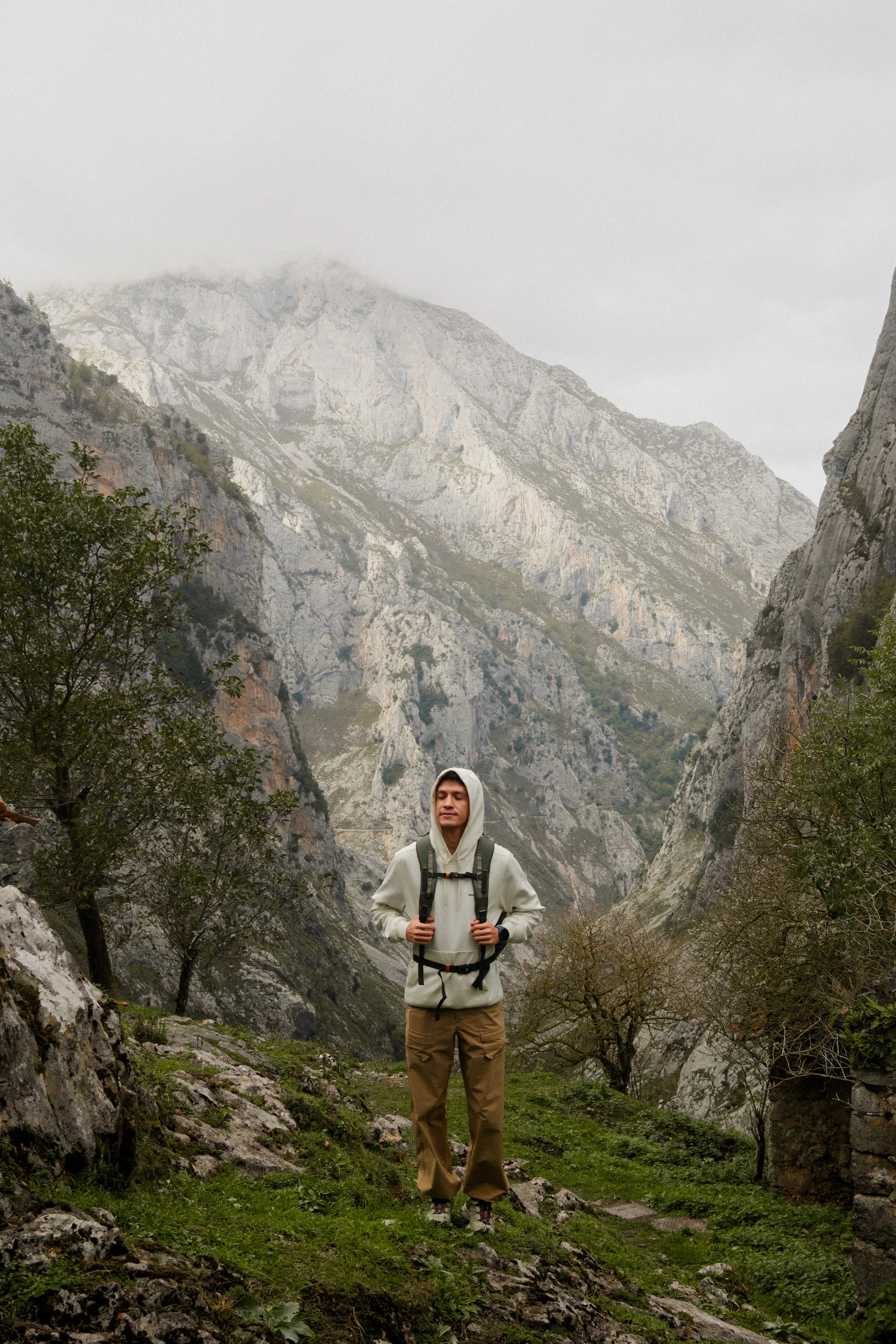
And that's when our plans changed. Since we finished early, instead of staying in the area we headed toward Poncebos to go up to Bulnes. It was the best part of the trip. Bulnes has no road access: you reach it on foot via a trail of about 4 kilometers that climbs from 210 to 650 meters, or by funicular, which runs through the inside of the mountain in about seven minutes (€22.16 round trip). This time we chose the funicular and read a bit about the village's history; it already seemed fascinating to us, but going up made everything even more special.
It left us speechless. A stone village tucked into a valley, with the Naranjo de Bulnes watching over it from above, and a history of isolation that makes you understand what life was like here before 2001. That year the funicular opened, climbing through a tunnel of more than two kilometers dug inside the mountain. Until then, the only way to get in or out of Bulnes was on foot along the trail, and everything the village needed came up that same path.
We spoke with a man from the village who told us that today about six people live in Bulnes year-round. Six. We had a Asturian pote stew that we still remember. In the evening, pizza at the apartment. Not everything has to be fabada.
👉 Book the Bulnes funicular on the Alsa website
👉 Bulnes excursion with funicular and Cabrales cheese cave
Day 6: Pozo de la Oración viewpoint and heading home
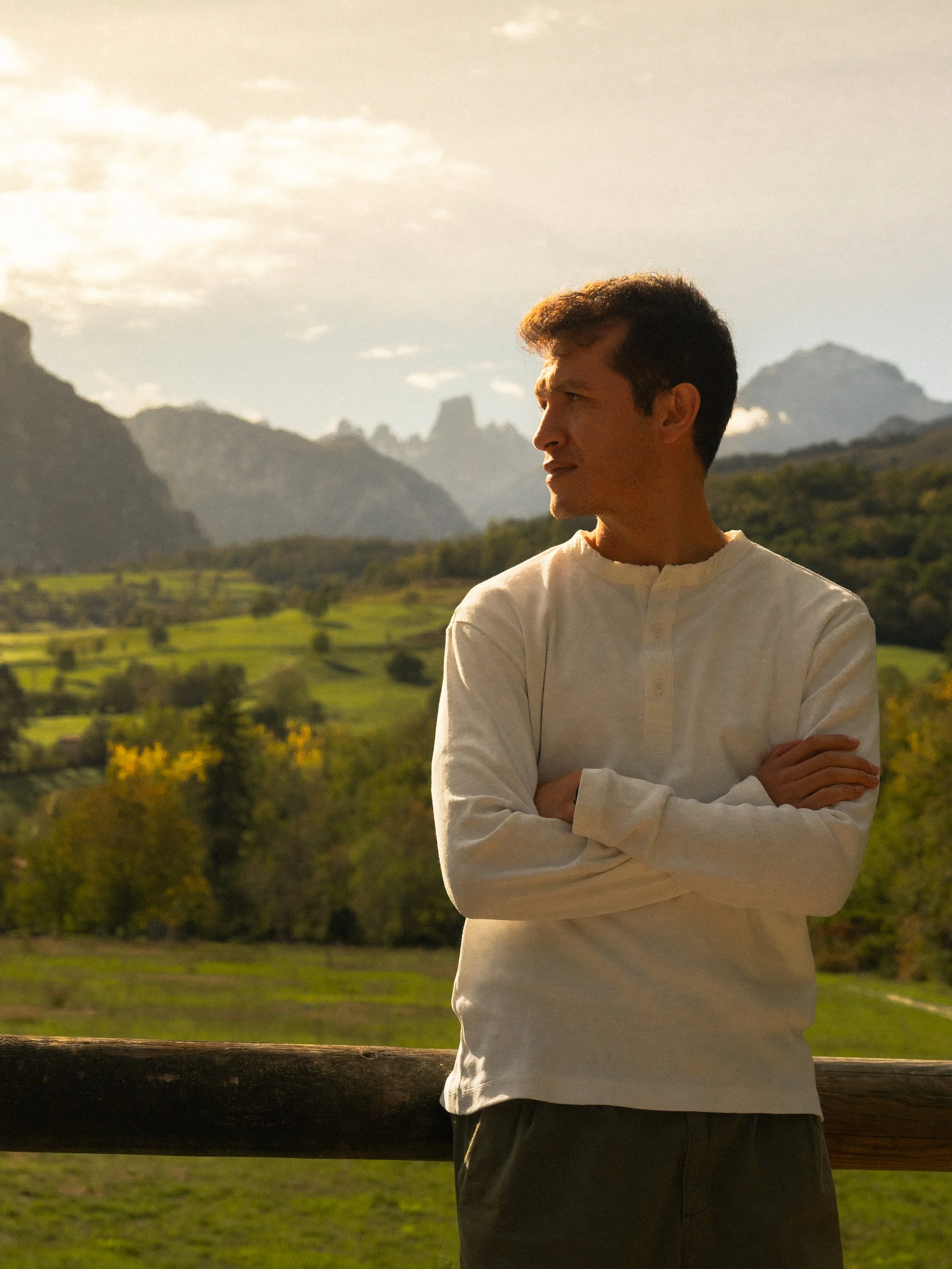
On our last day we planned to stop at Tazones on the way to the airport, but we changed that. During the trip we had driven past the Pozo de la Oración viewpoint, in Poo de Llanes, five times without ever stopping. On Tuesday we decided it was finally time.
And thank goodness we did. From this viewpoint you can see the Naranjo de Bulnes, the most famous peak in the Picos de Europa. That said, it doesn't always show itself: clouds cling to the mountain easily, and you need some luck to find it clear. We waited about 30 minutes to see it in all its glory, and it was magical.
From there we went straight to the airport. It's almost two hours, so if you have an afternoon flight, leave Poo by eleven at the latest. We returned the car before two and had lunch at the airport, because on Tuesdays half of Asturias closes.
Six days later, Asturias had left us wanting more. So did we.
Where to stay in Asturias: our three bases
We planned the trip with three accommodations so we wouldn't have to change beds every night. The first two nights we stayed at La Casina de Punticiella (Villas de Llanorrozo), about two kilometers from Cudillero, which is perfect for exploring the western coast.
👉 [See La Casina de Punticiella on Booking]
The third night was at Hotel La Palma de Llanes by gaiarooms, with breakfast included, about two kilometers from the old town.
👉 [See Hotel La Palma de Llanes on Booking]
The last two nights were at Les Xanes, rural apartments between Cangas de Onís and Covadonga, just a short drive from the road up to the Lakes. Little phone signal and plenty of calm.
👉 [See Les Xanes on Booking: affiliate link]
💡 Pedro and Karyna's tips
🚗 Rental Car Asturias without a car only gets you halfway. We booked our car through the QEEQ app, which compares the rental companies available at the airport and lets you choose the one that best fits your dates and budget. Use our code [IMES8] for a discount. Before signing, ask whether there is a mileage limit: our route added up to about 830 km. Take photos of the car when you pick it up and when you return it.
🅿️ Parking in Cudillero In October we parked down at the harbor without any problem. The first day it cost us €2.50, and the next day it was free because of the seasonal change. In high season, if the lower lot is full, your alternative is to park up top and walk down.
🏞️ Covadonga Lakes Check the restriction calendar before you go. If you can, go on a weekday outside summer and head up early: less traffic, less fog, and free parking. Bring a jacket even if it's a nice day down below.
🛶 Sella River Descent Book in advance and take the earliest departure. Ask what's included (wetsuit, return transfer) and what happens if they cancel because of the weather or the river flow. Bring dry clothes in a separate bag.
🎟️ Activities You Can Book If you'd rather not drive one day, GetYourGuide has day trips to Luarca, Cudillero and Avilés from Oviedo or from Gijón (from €25 with discount) and to the Covadonga Lakes from Cangas de Onís (€35). Most of them offer free cancellation, which in Asturias, given the weather, is a relief. The Bulnes funicular can be bought online through Alsa.
💶 Cash Bring some cash. Some places, such as El Escanu in Lastres, only accept cash.
🍽️ Meal Times Many kitchens close at 4:00 PM, and quite a few restaurants are closed on Mondays, Tuesdays or Wednesdays. Call ahead if you're heading to a specific place.
📅 When to Go October was a great time for us: fewer crowds, the Lakes are easy to reach by car on weekdays, and the temperatures are good for walking. That said, in Asturias the rain doesn't ask permission. Always keep a raincoat in your backpack.
❓ Frequently asked questions
What to See in Asturias by Car Our route combined the coast (Cudillero, Playa del Silencio, Luarca, Puerto de Vega, Lastres, Llanes) with the mountains (Covadonga Lakes, Bulnes and, now in Cantabria, Potes and Mogrovejo). If you have to choose just one must-see stop, make it Bulnes.
How to Get from Valencia to Asturias We flew directly from Valencia to Asturias airport, which is about 30 minutes from Cudillero. By car it's around 800 km, so for a six-day getaway, flying plus a rental car makes sense.
Where to Stay for a Road Trip in Asturias Split your trip into two or three bases: Cudillero for the western coast, Llanes for the eastern coast, and Cangas de Onís for the Picos de Europa. That way you won't spend more than an hour and a half driving to reach any point.
Where to Rent a Car in Asturias The easiest option is to pick up and drop off at Asturias airport (OVD). We booked with the QEEQ app, which compares the available companies (discount code: [IMES8]). Check the mileage limit and the fuel policy.
When to Visit Asturias From May to October, for longer daylight hours and better weather. If you want to drive up to the Covadonga Lakes, avoid summer, Easter week and spring and autumn weekends, when there are restrictions.
What to See in Asturias Without a Car You can, but you miss a lot. There are organized tours from Oviedo and Gijón to the Covadonga Lakes, Cudillero, Luarca and Llanes, and Alsa buses run between the main towns.
Have you done the Asturias road trip? Did you discover any corner we missed? Tell us in the comments 👇
